Europe Green Steel Market to Reach USD 11.76 Billion by 2033 as Hydrogen-Based Steelmaking Accelerates Industrial Decarbonization
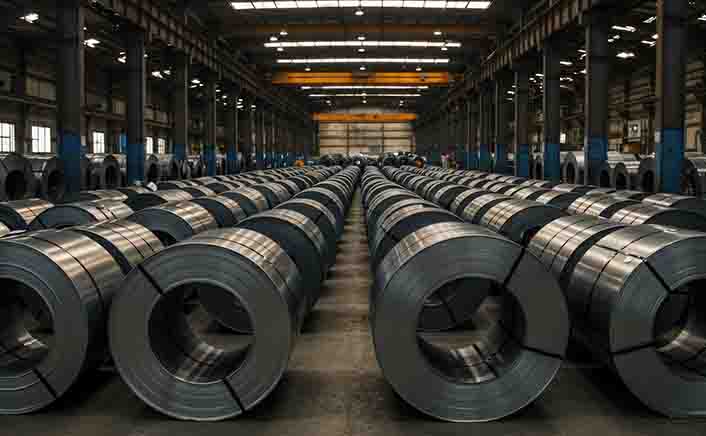
Europe's Green Steel Market was valued at USD 2.82 billion in 2025 and is projected to reach USD 11.76 billion by 2033, expanding at a CAGR of 19.5% during the forecast period. The market is gaining momentum as steel producers, automotive manufacturers, construction companies, and renewable energy developers increasingly prioritize low-carbon materials to meet sustainability goals and comply with evolving environmental regulations.
Green steel refers to steel produced using low-emission technologies such as hydrogen-based direct reduced iron (H2-DRI), renewable-powered electric arc furnaces (EAFs), and other advanced decarbonization pathways. Europe has emerged as the global leader in the commercialization of green steel due to strong policy support, significant renewable energy investments, and ambitious climate targets to reduce industrial emissions.
The implementation of the European Union's Carbon Border Adjustment Mechanism (CBAM) is expected to play a pivotal role in accelerating the adoption of green steel by improving the competitiveness of low-carbon steel products relative to carbon-intensive imports. At the same time, major industrial buyers are incorporating sustainability criteria into their procurement decisions, creating robust demand for certified green steel products.
The automotive industry remains the largest end-user segment within the market. Vehicle manufacturers are increasingly entering long-term supply agreements with green steel producers to reduce Scope 3 emissions and strengthen sustainability credentials. Construction and infrastructure sectors are also emerging as major demand centers as governments and developers prioritize low-carbon materials for public and private projects.
Technology innovation continues to reshape the competitive landscape. Hydrogen-based steelmaking has become the industry's most transformative development, enabling significant reductions in carbon emissions compared with traditional blast furnace operations. Several large-scale projects across Sweden, Germany, and other European countries are progressing toward commercial-scale production, supporting the market's long-term growth outlook.
Renewable-powered electric arc furnace steel currently accounts for the largest share of market revenue due to its established infrastructure and growing use of recycled steel feedstocks. However, hydrogen-based direct reduction technology is expected to register the fastest growth over the coming decade as producers seek deeper decarbonization pathways and governments expand support for hydrogen infrastructure.
Industry participants are increasingly forming strategic partnerships with renewable energy developers, hydrogen suppliers, and technology providers to secure critical resources and accelerate commercialization. These collaborations are helping reduce investment risks while enabling large-scale deployment of low-carbon steel production technologies.
The market is also benefiting from rising investment activity across the broader hydrogen economy. Expanding electrolyzer capacity, renewable energy projects, and hydrogen transportation infrastructure are expected to improve the economics of green steel production over the forecast period. As production costs decline and supply chains mature, adoption is anticipated to broaden across multiple industrial sectors.
Despite strong growth prospects, the market continues to face challenges, including high production costs, limited availability of green hydrogen, infrastructure constraints, and complex project implementation requirements. However, ongoing technological advancements and supportive regulatory frameworks are expected to improve commercial viability and strengthen market competitiveness.
Leading companies operating in the European Green Steel Market include SSAB, ArcelorMittal, thyssenkrupp Steel, Salzgitter AG, and Stegra. Competition is increasingly centered on hydrogen integration, access to renewable energy, emissions-reduction performance, production scalability, and long-term procurement agreements.
With industrial decarbonization becoming a strategic priority across Europe, green steel is expected to play a critical role in transforming the region's manufacturing ecosystem. Continued investment in hydrogen infrastructure, renewable energy capacity, and advanced steelmaking technologies is expected to position Europe at the forefront of global low-carbon steel production through 2033.