Eco-Conscious Consumers Are Powering Europe’s Rapid Rise in Rayon Demand
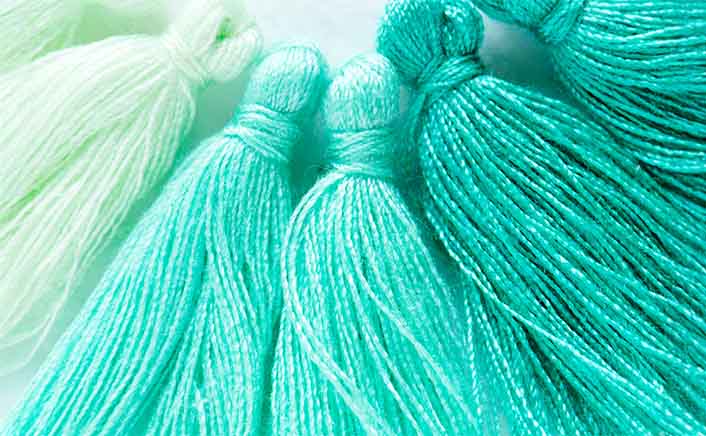
"Europe is currently the fastest-growing region in the Global Rayon Fibers Market, largely driven by a rising demand for sustainable and eco-friendly textiles. More and more European consumers are prioritizing sustainable materials, which is prompting manufacturers to explore greener alternatives like rayon. This fiber is biodegradable and made from renewable resources, aligning well with the growing trend of ethical fashion and environmental awareness among shoppers."
The Europe Rayon Fibers market was valued at USD 3.18 Billion in 2025 and is projected to reach USD 5.15 Billion by 2033, with a compound annual growth rate (CAGR) of 15.40% from 2025 to 2030.
The textile industry in Europe is already well-established, with a strong emphasis on high-quality, premium products. As a result, there's a substantial demand for rayon fibers, particularly in the fashion, home textiles, and medical sectors, where consumers are looking for both quality and eco-responsibility.
The strict environmental regulations implemented by the European Union are further encouraging the use of sustainable fibers, boosting growth in this market. Countries such as Italy, Germany, and France, known for their strong textile manufacturing capabilities, are quickly adopting rayon fibers. With sustainability becoming a primary focus across European industries, the growth of this market is set to continue accelerating.
European consumers are increasingly choosing eco-friendly materials, with rayon being a biodegradable and renewable option, driving market demand.
Sustainability is becoming a major factor driving the rayon fibers market in Europe. With more people and companies becoming aware of environmental issues, there's a noticeable shift towards eco-friendly products. Rayon fibers, which are biodegradable and made from renewable wood pulp, are seen as a sustainable alternative to synthetic fibers like polyester. As awareness of climate change grows, consumers are leaning toward textiles that reflect their values. This trend is particularly visible in the fashion industry, where many brands are opting to use rayon fibers for their eco-conscious clothing lines.
Manufacturers are also embracing more environmentally friendly production methods to meet the demands of this green-minded consumer base, contributing to the expansion of the rayon fibers market throughout Europe.
The growing preference for ethical and sustainable fashion fuels the demand for rayon fibers as a responsible alternative to synthetics.
The ethical fashion movement has really taken off in Europe, where people are becoming more aware of the environmental and social impact of their purchases. This awareness is driving a shift towards more sustainable and ethically sourced materials. For example, rayon fibers, which are often derived from sustainably managed forests and produced in a more eco-friendly way than synthetic options, align perfectly with this trend.
Brands that prioritize ethical practices and use eco-friendly fibers are seeing a rise in consumer interest, as shoppers demand greater transparency in how their clothes are made.
European consumers are not only looking for stylish garments but also want them to be environmentally responsible, which is why rayon is becoming increasingly popular in the fashion and home textiles markets.
Strict environmental regulations in Europe encourage the use of sustainable materials, including rayon, by promoting reduced carbon footprints and resource efficiency.
The regulations set by the European Union have had a major impact on the growth of the rayon fibers market. As environmental standards become stricter, manufacturers are increasingly looking for sustainable alternatives to traditional synthetic fibers, which has boosted the demand for rayon.
Initiatives like the EU’s Circular Economy Action Plan encourage recycling and the use of renewable resources both of which align perfectly with the benefits of rayon fibers. Furthermore, rules focusing on reducing carbon emissions and waste are prompting industries to adopt more sustainable production practices. All these factors make rayon fibers an appealing choice for manufacturers wanting to stay compliant with these environmental laws. Overall, European policies that champion sustainability are significantly driving the rise of rayon as an eco-friendly textile option.
Innovations in rayon production, making it more sustainable and cost-effective, boost its adoption in various industries across Europe.
Recent advancements in rayon fiber production have played a key role in boosting the market across Europe. Manufacturers are increasingly adopting more sustainable and efficient processes, including closed-loop systems that minimize water and chemical waste. These innovations not only make rayon a more appealing choice for producers but also help lower production costs and reduce environmental impact, allowing it to compete better with other fibers.
Improvements in the fiber's qualities like increased softness, strength, and durability have opened up new possibilities for using rayon. It's now being utilized more widely in textiles, medical products, and industrial applications. As the demand for sustainable textiles continues to rise in Europe, the ability to ramp up production while minimizing the environmental footprint is becoming increasingly important.
European markets, known for their luxury textile industries, seek rayon fibers for their softness and versatility in high-end fashion and home textiles.
Europe boasts a rich tradition of crafting exceptional textiles, with a strong demand for premium materials across fashion, home textiles, and various other sectors. Rayon fibers have gained popularity in Europe for their versatility, softness, and luxurious feel, making them perfect for high-end fashion pieces and home decor. This material serves as an appealing alternative to natural fibers like silk, offering similar beauty at a more affordable price. As the need for high-quality and high-performance textiles continues to rise, manufacturers increasingly turn to rayon to satisfy consumer desires. Rayon can be found in a diverse range of products, from sophisticated evening wear to cozy bedding and medical textiles, where quality and sustainability are key. This heightened emphasis on superior textiles is driving the growing use of rayon fibers throughout Europe.
Competitive Landscape
Some of the major companies operating within the Pulp and Paper market are: Goonvean Fibres Ltd, Grasim Industries Limited, Kelheim Fibres GmbH, Lenzing AG, Zhejiang Fulida Holding Co., Ltd., Zhong Tai International Development (HK) Limited, Nanollose, Sateri, Asia Pacic Rayon Limited, Eastman Chemical Company and Others.