Europe Dust Extractor Market to Reach USD 3.89 Billion by 2033 as Workplace Safety Regulations and Industrial Modernization Drive Equipment Upgrades
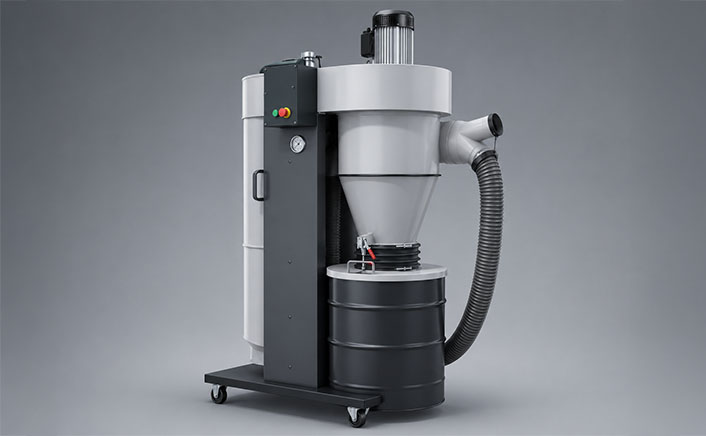
The Europe Dust Extractor Market was valued at USD 2.31 billion in 2025 and is projected to reach USD 3.89 billion by 2033, expanding at a CAGR of 6.7% during the forecast period, according to the latest market intelligence study.
Dust extraction systems have become an essential component of industrial operations across Europe as manufacturers increasingly prioritize worker safety, regulatory compliance, and operational efficiency. These systems are designed to capture and remove airborne particulate matter generated during manufacturing, woodworking, metal fabrication, construction, food processing, and pharmaceutical production processes. Rising awareness of occupational health risks associated with dust exposure and tightening workplace safety regulations are accelerating investment in advanced extraction technologies throughout the region.
One of the most significant growth drivers is the strengthening regulatory framework governing workplace air quality. European authorities continue to implement stricter occupational exposure limits for hazardous dust particles, particularly within woodworking and industrial manufacturing environments. Compliance requirements are prompting businesses to replace aging extraction infrastructure with more efficient and technologically advanced systems. This trend is especially visible among manufacturers operating in sectors where dust exposure can lead to long-term health risks, production contamination, or operational disruptions.
Manufacturing remains the largest end-use industry for dust extraction equipment in Europe. Automotive components, industrial machinery, metal fabrication, and general manufacturing facilities continue to drive substantial demand for extraction systems that maintain safe and productive working environments. The woodworking sector also remains a major contributor to market growth due to stringent regulations surrounding wood dust management and combustible dust control.
The market is witnessing a notable shift toward intelligent dust extraction systems. Industrial operators are increasingly adopting solutions equipped with remote monitoring, predictive maintenance capabilities, and real-time performance analytics. These features help reduce downtime, improve energy efficiency, and support compliance documentation requirements. As Industry 4.0 adoption expands across European manufacturing facilities, dust extraction systems are becoming integrated into broader digital factory management ecosystems.
Technological advancements are further reshaping the competitive landscape. Manufacturers are introducing high-efficiency filtration systems, HEPA-grade filters, automated airflow management technologies, and energy-efficient motor configurations to meet evolving customer requirements. The growing need to balance filtration performance with lower operating costs is encouraging continuous innovation across the industry.
Germany remains the largest market within Europe due to its extensive manufacturing base, strong automotive sector, and leadership in industrial engineering. France, the United Kingdom, and Italy continue to represent significant demand centers supported by large industrial sectors and ongoing modernization initiatives. Meanwhile, countries such as Poland, Romania, Hungary, and the Czech Republic are emerging as attractive growth markets due to rising manufacturing investments and industrial capacity expansion.
Market opportunities are expanding beyond equipment sales into retrofit projects, digital monitoring services, compliance audits, maintenance contracts, and filter replacement programs. A substantial installed base of older extraction systems across Western Europe presents long-term replacement demand as businesses seek to comply with evolving workplace safety standards. In addition, growth in battery manufacturing, electronics production, pharmaceuticals, and advanced materials industries is creating new opportunities for suppliers offering high-performance particulate control solutions.
The competitive environment remains moderately consolidated, with leading participants focusing on filtration efficiency, digital connectivity, energy optimization, and lifecycle service offerings. Strategic investments in smart monitoring capabilities and predictive maintenance technologies are expected to play an increasingly important role in market differentiation over the coming years.
As industrial operators continue investing in workplace health, environmental compliance, and operational reliability, demand for advanced dust extraction systems is expected to remain resilient. Suppliers capable of delivering integrated solutions that combine high-performance filtration, digital intelligence, and comprehensive aftermarket support are likely to capture the greatest share of future market growth through 2033.