Why Europe Is Emerging as the Fastest-Growing Region in the Global Biocides Market Amid Rising Health and Safety Standards
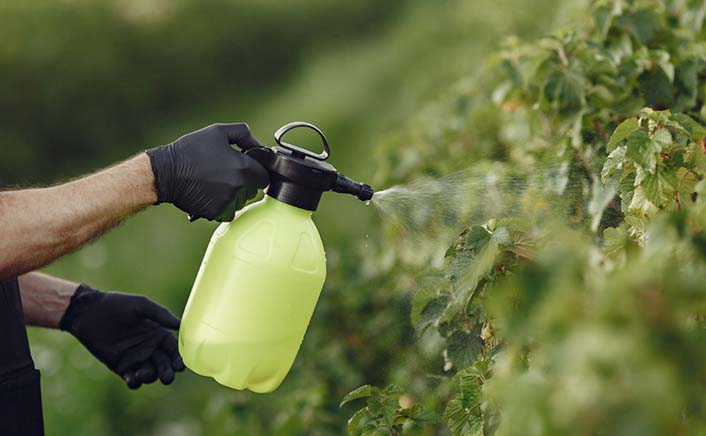
Europe is quickly becoming the fastest-growing region in the Global Biocides Market . This growth is driven by strict regulations and a strong focus on health and safety. The Biocidal Products Regulation (BPR) has established a comprehensive framework to ensure that only safe and effective biocidal products are used, which in turn encourages innovation and market expansion."
The Europe Biocides market was valued at USD 1.19 Billion in 2025 and is projected to reach USD 1.70 Billion by 2033, with a compound annual growth rate (CAGR) of 15.30% from 2026 to 2033.
The demand for disinfectants and antimicrobial agents has surged across sectors such as healthcare, agriculture, and consumer products, following increased public awareness of hygiene, especially after the COVID-19 pandemic. Furthermore, the European market is trending towards sustainable solutions, with a growing emphasis on eco-friendly biocides that minimize environmental impact.
The combination of regulatory support, heightened health consciousness, and a shift towards green chemistry has positioned Europe as a leader in biocide development and application, making it the fastest-growing region in the industry.
The EU's Biocidal Products Regulation (BPR) enforces strict guidelines that ensure the safety and efficacy of biocides, promoting market growth.
The Biocidal Products Regulation (BPR) of the European Union establishes a comprehensive framework for the approval and use of biocides in Europe. This regulation requires that all biocidal products undergo thorough safety and efficacy assessments before they can be marketed. The BPR ensures that only products meeting strict criteria are available to consumers and industries, promoting a culture of safety and accountability. This encourages manufacturers to invest in research and development to create innovative, compliant products. Such regulations not only protect public health and the environment but also enhance consumer confidence in biocidal products. The stringent regulations are crucial in shaping the market, promoting high-quality products that meet safety standards and ensuring that biocides are effective in their intended applications, whether in households, healthcare settings, or agricultural practices.
Heightened awareness of health and hygiene, especially after the COVID-19 pandemic, has led to a surge in demand for disinfectants and antimicrobial products.
The COVID-19 pandemic has significantly raised public awareness of health and hygiene, impacting consumer behavior and increasing the demand for biocidal products. Individuals and organizations are now prioritizing cleanliness and infection control, leading to a greater reliance on disinfectants, sanitizers, and antimicrobial agents across various sectors such as healthcare, education, and hospitality. This trend is evident in the increased use of surface disinfectants in homes and commercial spaces, as well as in healthcare facilities where maintaining sterile environments is crucial. Furthermore, businesses are implementing strict hygiene protocols to ensure the safety of employees and customers, further boosting the demand for effective biocidal solutions. This heightened health awareness is expected to have a long-term impact, as consumers now prioritize hygiene more than ever, creating sustained growth opportunities for biocide manufacturers. The focus on health and safety is likely to continue shaping product development and marketing strategies in the biocides market.
The need for effective pest control solutions in agriculture drives the use of biocides to improve crop yields and protect against pests and diseases.
The agricultural sector is a significant driver of the biocides market in Europe. Farmers are seeking effective solutions to protect crops from pests, diseases, and weeds. With the increasing demand for food production to feed a growing population, agricultural practices are evolving. Biocides play a crucial role in enhancing crop yields and quality. Farmers rely on a variety of biocidal products, including fungicides, herbicides, and insecticides, to safeguard their harvests and ensure food security. Additionally, the adoption of precision agriculture and integrated pest management (IPM) practices further promotes the use of targeted biocides that minimize environmental impact while maximizing efficacy. The push for sustainable agriculture, driven by consumer preferences and regulatory mandates, is also leading to the development of bio-based and environmentally friendly biocides, creating new market opportunities. As agricultural practices become more sophisticated, the demand for innovative biocidal solutions will continue to rise, propelling market growth.
A growing trend towards eco-friendly and sustainable biocides, driven by consumer demand and regulatory pressures, encourages innovation in product formulations.
Sustainability is increasingly important in the biocides market due to consumer demand for environmentally friendly products and regulatory pressure to reduce chemical use. As awareness of environmental issues grows, both consumers and businesses are seeking biocides that have minimal ecological impact. This has led to the development of green chemistry initiatives, which promote the formulation of biocides derived from natural sources or designed to degrade more quickly in the environment. Manufacturers are responding to this trend by investing in research and development to create sustainable alternatives that meet regulatory standards and appeal to eco-conscious consumers. Additionally, businesses are adopting corporate social responsibility (CSR) strategies that emphasize sustainability, leading them to choose eco-friendly biocidal products for their operations. This shift not only addresses environmental concerns but also positions companies favorably in the marketplace, enhancing brand loyalty and competitive advantage. As a result, the focus on sustainability is reshaping product offerings and driving innovation in the biocides sector.
Rapid urbanization and increasing population density result in higher demand for effective sanitation and pest control solutions in urban areas.
Urbanization and population growth in Europe are significant factors driving the demand for biocidal products, especially in densely populated areas. As cities expand and more people move into urban environments, the challenges of sanitation and pest control become increasingly critical. High population density often leads to greater exposure to pathogens and pests, requiring effective solutions to maintain public health and hygiene. This is particularly important in sectors such as food service, healthcare, and residential settings, where the risk of disease transmission is heightened. Biocides are essential tools for ensuring cleanliness and safety in these environments, leading to increased usage of disinfectants, sanitizers, and pest control products. Furthermore, urban infrastructure development and maintenance also require biocidal treatments to protect buildings and public spaces from deterioration and infestations. As urban areas continue to grow, the need for effective biocidal solutions will remain a key driver of market expansion.
Competitive Landscape
Some of the major companies operating within the Biocides market are: Kemira Oyj , Vink Chemicals GmbH & Co. KG, Shandong IRO Biocide Chemicals Co., Ltd., Lanxess AG, Solvay SA, Neogen Corporation, Troy Corporation, Wuxi Honor Shine Chemical Co. Ltd., Albemarle Corporation, Shanghai Zhongxin Yuxiang Chemical Co., Ltd and Others.