Comprehensive Application Analysis of the Die Cutting Hydraulic Press Market Across Packaging, Automotive, and Electronics Industries
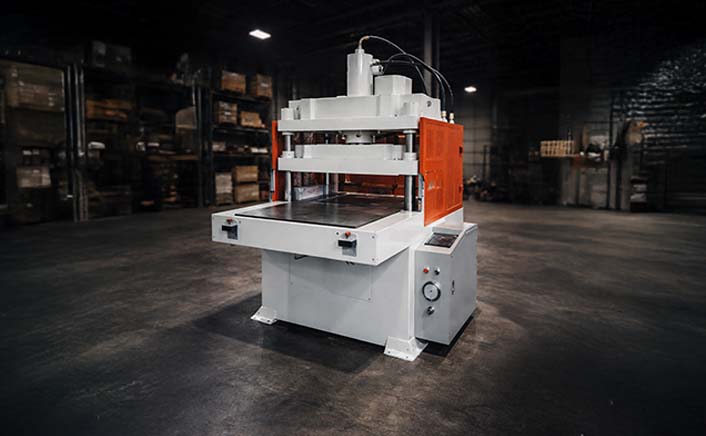
The application landscape of the Die Cutting Hydraulic Press Market showcases a balanced integration of high-volume, precision-driven, and industrial demand segments, each influencing growth dynamics and long-term market direction in distinct ways. Packaging and labeling remain at the forefront of this application mix, largely due to the rapid expansion of e-commerce, retail logistics, and flexible packaging solutions. This segment thrives on continuous production cycles, high throughput demands, and the necessity for accurate cutting of materials like paperboard, films, and laminates. The scale of demand in packaging forms the backbone of the market, ensuring consistent use of low to mid-tonnage hydraulic presses. As global packaging needs rise in response to urbanization and evolving consumer behaviors, this segment is poised to maintain its leadership position while simultaneously driving technological advancements in speed, automation, and material efficiency.
Another crucial application area is found in automotive interiors and insulation, particularly as the automotive industry shifts toward electric vehicles and the use of lighter materials. Hydraulic presses are extensively utilized to cut foam, rubber, and composite insulation materials, all of which contribute to vehicle comfort, safety, and energy efficiency. The increasing focus on noise reduction, thermal management, and cabin comfort has heightened the complexity of components, necessitating higher precision in die-cutting capabilities. This trend establishes automotive applications as a significant value contributor within the Die Cutting Hydraulic Press Market, especially in the mid to high-tonnage sectors. Concurrently, the demand for electronic insulation and EMI shielding components is rising, fueled by the growth of consumer electronics, battery technologies, and communication infrastructure. These applications require exacting precision and repeatability, since even slight deviations can impact performance. Hydraulic presses, known for their consistent pressure delivery and fine control, are particularly suited for these requirements, making this segment a steadily growing contributor to market value.
The segment dealing with medical disposables and sterile packaging is also witnessing robust growth, prompted by rising healthcare expenditures, aging populations, and increasing awareness around hygiene and safety standards. Products such as diagnostic strips, surgical components, and filtration media necessitate clean, accurate, and contamination-free cutting processes. Because of their reliability and ability to consistently maintain output quality, hydraulic presses are favored for these applications. Although this segment is smaller in volume compared to packaging, it plays a significant role in terms of value due to its stringent quality requirements and higher margins. Similarly, components for industrial filtration are gaining traction as industries prioritize environmental compliance, air and water purification, and efficient processes. Die cutting is essential for creating filter media and related components, broadening the application scope of hydraulic presses.
The consumer goods and crafts segment is a more fragmented yet stable area within the Die Cutting Hydraulic Press Market, encompassing applications in small-scale manufacturing, DIY products, and decorative materials, where lower tonnage presses are predominantly utilized. While this segment may not contribute significantly to overall market value, it is vital for sustaining baseline demand and facilitating market access for small and medium enterprises. Additionally, demand arises from industrial machinery parts and consumer appliances, particularly in the manufacturing of gaskets, seals, and insulation components used in various equipment and household devices. These applications demand durability and consistency, further highlighting the critical role of hydraulic press technology within industrial ecosystems.
The others category, though relatively small, includes niche and emerging applications that have the potential to gain importance over time. These applications may involve advanced materials, specialized industrial uses, or new product categories driven by innovation. This presence underscores the adaptability of hydraulic press technology across various industries. Overall, the application mix in the Die Cutting Hydraulic Press Market is characterized by a dual structure. High-volume segments like packaging ensure steady growth and capacity utilization, while high-precision and specialized segments such as automotive, electronics, and medical applications drive value addition and technological advancement. This balance not only bolsters market resilience but also opens avenues for manufacturers to diversify their offerings, optimize product portfolios, and respond to evolving industry demands. As industries increasingly embrace lightweight materials, automation, and precision manufacturing processes, the demand across these application segments is expected to remain strong, supporting sustained growth.