The growing emphasis on sugar reduction, functional foods, and oral health is accelerating demand for xylitol across China’s food, pharmaceutical, and personal care industries.
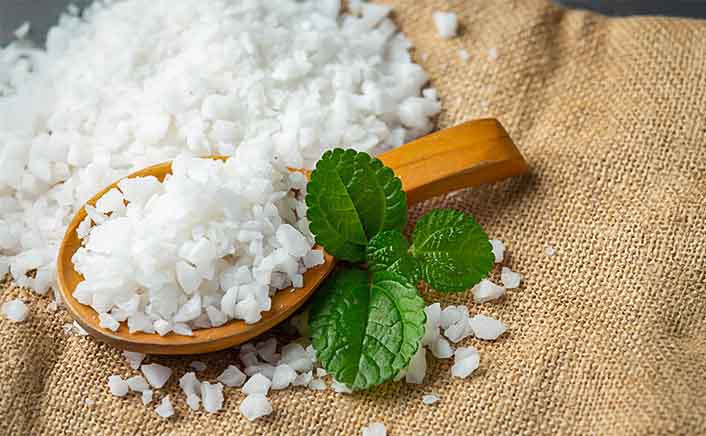
China is rapidly becoming a key market for xylitol, driven by its extensive food-processing industry, growing oral care sector, and robust domestic production. Its dominance in corn-based raw materials and its cost-effective manufacturing have facilitated the widespread use of xylitol in confectionery, chewing gum, bakery products, and pharmaceuticals. As consumer interest in low-calorie sweeteners and tooth-friendly ingredients increases, demand for xylitol is rising in both mass-market and premium segments.
The China Xylitol market is experiencing steady growth, fueled by ongoing demand from food production, oral care, and pharmaceuticals. The expansion is fundamentally stable rather than speculative, driven by its functional advantages, regulatory approvals, and widespread application across various sectors.
Large-scale food and confectionery manufacturing is sustaining xylitol consumption in China.
China’s food processing sector remains a key driver of xylitol demand, especially in confectionery, gum, and baked goods. Due to its low glycemic index and dental health benefits, xylitol is favored in sugar-free and lower-sugar products, thereby fostering sustained growth as producers develop healthier options.
Rising oral care awareness is supporting higher-value xylitol applications
The growing emphasis on preventive dental care and oral hygiene is boosting demand for xylitol in toothpaste, mouthwash, and other dental products. Increased consumer expenditure on oral health and the expansion of premium oral care brands are supporting steady, higher-margin sales of high-purity xylitol.
Pharmaceutical and nutraceutical usage is strengthening baseline demand
Xylitol remains an important component of pharmaceutical syrups, lozenges, and other oral dosage forms owing to its safety and functional properties. The growing popularity of nutraceuticals and dietary supplements is further boosting overall demand, particularly in markets where cost sensitivity is less critical.
Cost-efficient production and strong supply chains reinforce China’s global position.
China's ample corn feedstock, well-developed chemical processing infrastructure, and skilled manufacturing workforce enable local producers to compete effectively. These factors support the supply of both domestic and international markets. Additionally, the presence of contract manufacturing organizations and ingredient exporters enhances supply stability.
Moderate substitution risk supports steady and defensible market growth
Although alternative sweeteners like erythritol and allulose are becoming more popular, xylitol remains prominent due to its established oral health benefits, regulatory approval, and extensive history in food and pharmaceutical applications. This stability results in steady, mid-single-digit growth rather than rapid, unpredictable expansion.
Competitive Landscape
Leading companies in the Chinese xylitol market include Shandong Futaste Co., Ltd., Shandong Longlive Bio-Technology Co., Ltd., Zibo Qianhui Biological Technology Co., Ltd., Hebei Huaxu Pharmaceutical Co., Ltd., International Flavors & Fragrances (IFF), Roquette Frères, Cargill Incorporated, and several others.