Battery Pack and High-Voltage Connectors Leading Revenue Growth in the Brazil EV Connectors Market
The battery pack connectors segment dominates the Brazil EV Connectors Market , accounting for around 24.5% of total revenue. This category is vital because every electric vehicle relies on multiple high-reliability connection points within its battery system. Unlike traditional automotive connectors, battery pack connectors are designed to withstand demanding conditions such as high current loads, vibrations, thermal cycling, and constant charge-discharge cycles. In a typical battery electric vehicle (BEV), numerous connector assemblies are used across various components, including battery modules, battery management systems (BMS), cell monitoring circuits, safety disconnect units, and power distribution networks. As Brazil's EV market advances towards vehicles with larger battery capacities and extended driving ranges, the demand for connectors per vehicle is on the rise. Vehicles featuring battery packs larger than 60 kWh necessitate more advanced high-current interconnect systems compared to smaller hybrid or entry-level electric vehicles. The influx of imported electric vehicles from countries like China, Europe, and North America is also driving the adoption of sophisticated battery architectures that rely on higher-value connector technologies with improved thermal resistance, shielding, and safety features. As a result, battery pack connectors represent the highest share of market revenue, even though they constitute a smaller portion of total connector volumes.
The high-voltage power connectors segment holds approximately 21.0% of the market and is experiencing significant growth due to the rising adoption of 400V and 800V vehicle architectures. These connectors facilitate power transfer between battery packs, inverters, electric motors, onboard chargers, DC/DC converters, and auxiliary electrical systems. As automakers introduce vehicles capable of ultra-fast charging and increased power outputs, there is a heightened need for connectors specifically engineered to handle higher voltages and current loads while adhering to stringent safety standards. High-voltage connectors typically command much higher average selling prices compared to low-voltage automotive connectors, incorporating advanced insulation materials, electromagnetic shielding, arc protection technologies, and robust sealing mechanisms. Consequently, the shift towards higher-performance electric vehicles is elevating both the value and quantity of connectors used per vehicle. The increasing deployment of electric buses and commercial vehicles in Brazil's urban transport sector further drives demand, as these vehicles utilize larger battery packs and require higher power transfer capabilities than typical passenger cars.
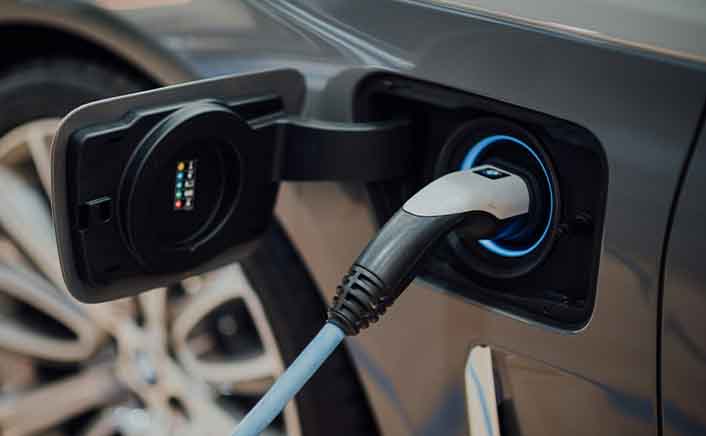
The vehicle inlet connectors segment represents about 15.2% of market revenue and is benefiting from the rising number of EV registrations and the expansion of charging infrastructure. Every plug-in electric vehicle necessitates a vehicle-side charging inlet that aligns with current charging standards. In Brazil, advancements in charging infrastructure are focusing largely on CCS Type 2 standards, prompting automakers to standardize their vehicle inlet designs accordingly. Vehicle inlet connectors face repeated charging cycles, varied environmental conditions, and mechanical wear, demanding durable designs that offer high ingress protection ratings and extended service lifespans. As electric vehicle adoption spreads beyond major urban areas like São Paulo and Rio de Janeiro, the demand for vehicle inlet connectors grows in tandem with vehicle sales. Premium electric vehicles that support higher charging capacities often utilize more advanced inlet systems capable of greater power transfer, thereby contributing to additional growth in this segment.
The DC fast charging connectors segment, which constitutes approximately 13.8% of the market, is among the fastest-growing categories thanks to ongoing investments in charging infrastructure. Brazil is experiencing a surge in the deployment of highway charging corridors, commercial charging hubs, fleet charging facilities, and public fast-charging stations. DC charging connectors are significantly more costly than standard AC charging connectors due to their need to safely deliver high levels of electrical power while also managing heat generation, electrical insulation, and user safety. Modern high-power charging systems frequently operate at levels exceeding 150 kW, with some next-generation setups capable of supporting charging rates above 300 kW. These systems require liquid-cooled connector technologies, advanced thermal management features, and heightened durability specifications. As charging network operators vie to shorten charging times and enhance user convenience, the demand for high-performance DC connector systems is anticipated to outpace overall EV sales growth, making this segment a key driver of future market expansion.
The signal and communication connectors segment, accounting for roughly 10.4% of market revenue, is becoming increasingly significant as electric vehicles evolve into more digitally connected entities.