Asia Pacific Negative Pressure Wound Therapy Market Growth Outlook Driven by Rising Chronic Wounds and Healthcare Expansion
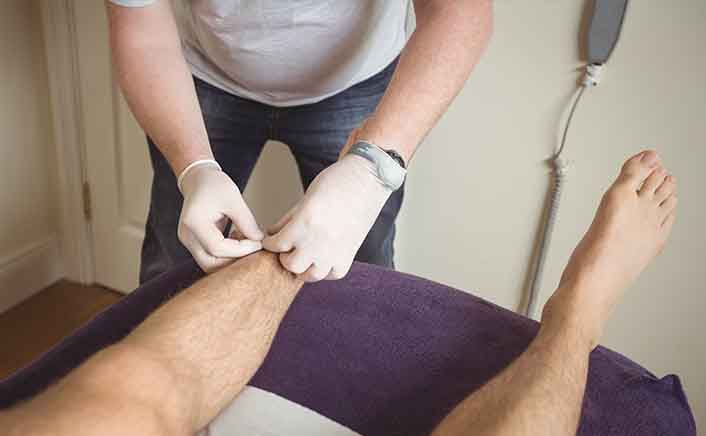
The Asia Pacific Negative Pressure Wound Therapy Market was valued at USD 0.64 Billion in 2025 and is projected to reach USD 1.14 Billion by 2033, with a compound annual growth rate (CAGR) of 19.60% from 2027 to 2033.
The Asia Pacific region is emerging as the fastest-growing market for Negative Pressure Wound Therapy (NPWT), driven by a combination of demographic, economic, and healthcare factors. Rapid population growth, along with a rising incidence of chronic conditions such as diabetes and obesity, has significantly increased the prevalence of complex and non-healing wounds. This creates strong demand for advanced wound care solutions like NPWT across countries such as China, India, and Japan.
Additionally, improving healthcare infrastructure and increasing healthcare expenditure in emerging economies are accelerating the adoption of modern medical technologies. Governments and private healthcare providers are investing in better hospital facilities and expanding access to advanced treatment options, including NPWT systems. The growing awareness among healthcare professionals about the clinical benefits of NPWT such as faster healing and reduced infection risk further supports market growth.
Moreover, the expansion of medical tourism and the presence of a large patient pool contribute to the region’s rapid development. Cost-effective treatment options and rising disposable incomes are also encouraging patients to opt for advanced wound care therapies, positioning Asia Pacific as a key growth engine in the global NPWT market.
Rising prevalence of chronic diseases such as diabetes leading to increased cases of non-healing wounds.
The increasing burden of chronic diseases such as diabetes, cardiovascular disorders, and obesity is a major driver for the growth of the Negative Pressure Wound Therapy (NPWT) market in the Asia Pacific region. These conditions often lead to complications like diabetic foot ulcers, pressure ulcers, and slow-healing surgical wounds, which require advanced wound care management. With countries like China and India witnessing a sharp rise in diabetic populations, the number of patients suffering from chronic wounds is expanding rapidly. NPWT is widely recognized for its effectiveness in accelerating wound healing, reducing infection risks, and minimizing hospital stays. As healthcare providers focus on improving patient outcomes and reducing long-term treatment costs, the adoption of NPWT systems is increasing significantly, making chronic disease prevalence a key growth catalyst.
Rapid improvement in healthcare infrastructure and expansion of hospital facilities across emerging economies.
Asia Pacific is experiencing substantial advancements in healthcare infrastructure, particularly in developing economies. Governments and private players are investing heavily in building modern hospitals, upgrading medical equipment, and enhancing healthcare accessibility in both urban and rural areas. This development supports the adoption of advanced medical technologies such as NPWT systems. Improved infrastructure enables healthcare facilities to provide specialized wound care services and handle complex cases more effectively. Additionally, the rise of multi-specialty hospitals and dedicated wound care centers is boosting the availability of NPWT treatments. As healthcare systems continue to modernize and align with international standards, the integration of innovative therapies like NPWT becomes more feasible, thereby driving market growth across the region.
Growing awareness among healthcare professionals about the clinical benefits of NPWT in wound management.
The increasing awareness among healthcare professionals regarding the benefits of NPWT is significantly contributing to market growth in Asia Pacific. Medical practitioners are becoming more knowledgeable about advanced wound care techniques through training programs, workshops, and international collaborations. NPWT is gaining recognition for its ability to promote faster healing, improve blood circulation, and reduce the risk of infections compared to traditional wound care methods. As clinical evidence supporting NPWT continues to grow, doctors and surgeons are more likely to recommend it for complex and chronic wounds. Furthermore, the inclusion of NPWT in clinical guidelines and treatment protocols is encouraging its widespread adoption. This growing professional awareness ensures better patient outcomes and drives consistent demand for NPWT systems in the region.
Increasing healthcare expenditure and supportive government initiatives promoting advanced medical technologies.
Rising healthcare expenditure across Asia Pacific countries is playing a crucial role in boosting the adoption of advanced medical technologies, including NPWT. Governments are allocating larger budgets to improve healthcare services, expand insurance coverage, and promote the use of innovative treatment methods. Public health initiatives aimed at managing chronic diseases and improving wound care outcomes are further supporting market growth. In addition, favorable reimbursement policies and subsidies in some countries are making NPWT more accessible to a broader patient population. Private sector investments are also increasing, with hospitals and clinics focusing on upgrading their treatment capabilities. This combined financial support from both public and private sectors is creating a conducive environment for the widespread adoption of NPWT systems.
Expanding medical tourism and large patient pool driving demand for cost-effective advanced wound care solutions.
Asia Pacific has become a prominent hub for medical tourism, attracting patients from across the globe due to its cost-effective and high-quality healthcare services. Countries like India, Thailand, and Malaysia offer advanced treatments, including NPWT, at significantly lower costs compared to Western nations. This influx of international patients, along with a large domestic population, creates a substantial demand for advanced wound care solutions. Hospitals catering to medical tourists are equipped with modern technologies and skilled professionals, further promoting the adoption of NPWT. Additionally, rising disposable incomes and improved access to healthcare services are enabling more patients to opt for advanced therapies. The combination of a vast patient base and growing medical tourism continues to accelerate the growth of the NPWT market in the region.
Competitive Landscape
Some of the major companies operating within the Negative Pressure Wound Therapy Market are: ConvaTec Inc., Smith & Nephew, Mölnlycke Health Care AB., Talley Group Ltd, Lohmann & Rauscher GmbH & Co. KG, KCI Licensing, Inc., Cardinal Health, Medela AG, PAUL HARTMANN Asia-Pacific Ltd. and Others.