Growing Demand for Epinephrine Auto-Injectors Accelerating Asia Pacific Epinephrine Market
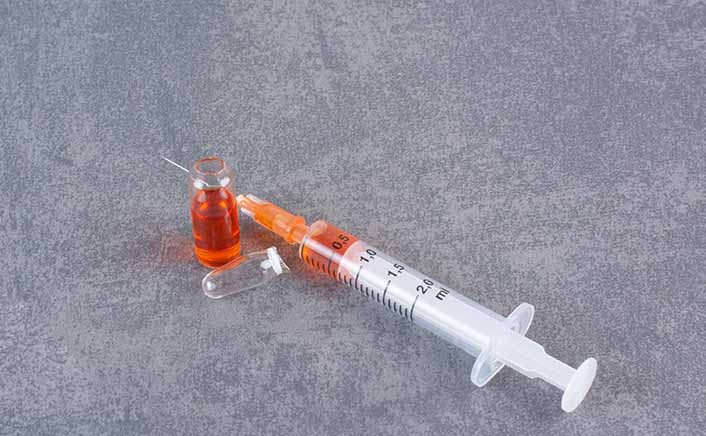
“The Asia Pacific epinephrine market is currently witnessing steady growth, fueled by an increasing prevalence of severe allergies, asthma, and anaphylaxis in countries like China, Japan, India, and South Korea. There is a rising awareness regarding emergency allergy management, coupled with improved access to healthcare that is promoting the wider adoption of epinephrine auto-injectors and injectable formulations. Additionally, government initiatives aimed at strengthening emergency medical response systems and expanding hospital infrastructure are bolstering market demand. The presence of both global pharmaceutical companies and local manufacturers is enhancing product availability and affordability, which is anticipated to further accelerate the growth of the Asia Pacific epinephrine market in the forthcoming years. "
The Asia Pacific Epinephrine market was valued at USD 0.48 Billion in 2025 and is projected to reach USD 0.92 Billion by 2033, with a compound annual growth rate (CAGR) of 18.70% from 2027 to 2033.
Countries like India and China are seeing a rise in allergies and asthma cases, which further drives the demand for epinephrine products. This increase is supported by enhancements in healthcare infrastructure, making medical services more accessible to the population. Advances in pharmaceutical manufacturing are also playing a key role in this growth.
Government initiatives aimed at improving healthcare, along with rising spending on health in emerging economies, provide an additional boost to the market. Plus, more people are adopting self-administration devices, such as epinephrine auto-injectors, which improves accessibility in both urban and rural areas.
Improved healthcare facilities and better access to emergency medical treatments in emerging economies like China and India are fueling market growth.
The Asia Pacific region has been making significant strides in healthcare infrastructure, thanks to increased investments from both government and private sectors. Countries like China, India, Japan, and South Korea have notably enhanced their hospital networks, emergency care facilities, and pharmaceutical distribution systems. This progress, especially in expanding primary healthcare services to rural and semi-urban areas, has greatly improved access to essential medications like epinephrine.
As incomes rise and medical insurance becomes more widespread, more people can afford quality healthcare, which has led to a higher number of prescriptions for epinephrine. Moreover, advancements in telemedicine and e-pharmacy platforms are making it easier for people in remote areas to access emergency medications, improving the management of allergic reactions.
Governments are also enacting healthcare reforms, such as India’s Ayushman Bharat scheme, which focuses on making emergency treatments affordable. In addition, the growth of public-private partnerships in healthcare is enhancing supply chain efficiency, ensuring that critical medications are available when needed. The continuous expansion of hospitals, diagnostic centers, and retail pharmacies across the region is contributing to a stronger healthcare ecosystem, ultimately meeting the rising demand for epinephrine auto-injectors, vials, and pre-filled syringes.
Public awareness campaigns and improved diagnostic capabilities are leading to higher identification and treatment of anaphylaxis and severe asthma.
There's a growing awareness about anaphylaxis and severe allergic reactions in the Asia Pacific region, which is making more people seek out epinephrine. Recently, public health campaigns and educational efforts from healthcare groups, non-profits, and pharmaceutical companies have really raised awareness about how crucial it is to administer epinephrine quickly during emergencies. As a result, parents, school officials, and workplace managers are becoming more informed about the dangers of severe allergies and are increasingly adopting epinephrine auto-injectors.
Thanks to advances in diagnostic technology, allergic conditions can now be detected earlier, allowing for better management before things turn life-threatening. Social media and digital health platforms have also contributed significantly to this education, helping the public understand why it's so important for at-risk individuals to carry epinephrine.
Moreover, we’re seeing schools and public areas stocking up on epinephrine auto-injectors as part of their emergency plans. Enhanced training for first responders and healthcare professionals is improving the way epinephrine is administered, which is helping to lower fatality rates from anaphylaxis. Governments and health organizations are actively encouraging the use of epinephrine, aiming to make sure that those at risk can easily and affordably access this essential medication.
The aging population, which is more prone to severe allergic reactions and cardiovascular conditions, is contributing to the demand for epinephrine.
The growing number of older adults in the Asia Pacific region is playing a major role in the increase of epinephrine use. This age group often faces a higher risk of allergic reactions, serious asthma attacks, and cardiovascular emergencies. Countries like Japan, South Korea, and China have some of the largest aging populations in the world, leading to a greater demand for lifesaving treatments such as epinephrine.
As people age, their immune systems can change, making them more vulnerable to severe allergic reactions from various triggers, including medications, food, and environmental factors. Older adults with existing heart conditions are particularly at risk for anaphylaxis and need immediate access to epinephrine to avoid serious complications.
Additionally, the prevalence of chronic conditions like asthma and COPD among the elderly has further heightened the need for emergency epinephrine, especially as part of essential medical kits. Healthcare providers are increasingly advising that elderly patients—who may be taking multiple medications or experiencing drug interactions—keep epinephrine on hand to address potential anaphylactic reactions.
With life expectancy on the rise in this region, there is a concerted effort from governments and healthcare organizations to improve emergency care. This includes ensuring that epinephrine auto-injectors are readily available in hospitals, nursing homes, and care facilities, ultimately aiming to enhance patient outcomes and safety.
Governments in the region are adopting policies to improve access to life-saving medications like epinephrine, promoting market expansion.
Governments in the Asia Pacific region are taking important steps to make life-saving medications like epinephrine more accessible. Many countries have adjusted their healthcare regulations to ensure that epinephrine auto-injectors are available in schools, workplaces, and public areas. For example, Australia, Japan, and India are working to lower the costs of these auto-injectors by offering subsidies and regulating their prices.
In China, the National Medical Products Administration (NMPA) is speeding up the approval process for emergency drugs to make them easier to access. Some governments are also requiring training programs on epinephrine for healthcare professionals, teachers, and emergency responders, which is crucial for timely help in emergencies.
Moreover, efforts to streamline regulations around drug importation and distribution have allowed international pharmaceutical companies to enter the market, improving availability. Increased funding for research and development has also encouraged local manufacturers to produce epinephrine, boosting competition and helping to keep prices down.
These changes are vital for tackling the rising number of allergic reactions and ensuring that epinephrine is readily available for those who need it. Ultimately, this helps to reduce fatalities and improve public health outcomes across the region.
Higher spending on healthcare, especially in countries like China, Japan, and India, is enabling better access to epinephrine treatments.
The rise in healthcare spending across the Asia Pacific region is playing a key role in the growth of the epinephrine market. Many countries here are boosting their healthcare budgets to enhance emergency medical services and ensure access to essential medications. As healthcare spending per person increases in countries like China, India, and Japan, treatments such as epinephrine auto-injectors and pre-filled syringes are becoming more affordable. With a growing middle class and increasing disposable incomes, more individuals are willing to invest in healthcare products that provide safety during medical emergencies.
Additionally, governments are putting more funding into public health initiatives that include subsidies for life-saving medications, which helps make epinephrine more affordable. The rising rates of health insurance in the region also mean that patients can seek timely treatment for severe allergic reactions without worrying about costs.
Pharmaceutical companies are taking note of this trend, expanding their product offerings and distribution networks to meet the increasing demand. Moreover, higher foreign direct investments in the healthcare sector are enhancing the availability and affordability of drugs, making epinephrine more accessible to those who need it. All these elements come together to support the ongoing growth of the epinephrine market in Asia Pacific.
Competitive Landscape
Some of the major companies operating within the Luxury Vinyl Tiles market are: Bausch Health Companies Inc., Teva Pharmaceutical Industries Ltd., Viatris Inc., DMK Pharmaceuticals , ALK-Abelló A/S, BIOPROJET, ARS Pharmaceuticals Operations, Inc., Amneal Pharmaceuticals LLC. And Others.