Innovation and Demand Fuel Asia Pacific’s Disposable Medical Device Market Surge.
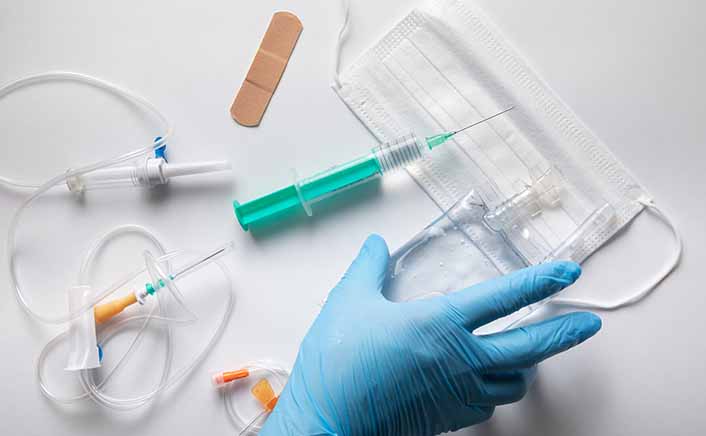
The Asia Pacific Disposable Medical Device Market was valued at USD 35.10 Billion in 2025 and is projected to reach USD 52.26 Billion by 2033, with a compound annual growth rate (CAGR) of 19.80% from 2027 to 2033.
The Asia-Pacific region is the fastest-growing market in the Global Disposable Medical Device sector due to rising healthcare awareness, expanding hospital infrastructure, and increasing government investment in health services. Countries such as China, India, Japan, and South Korea are witnessing a surge in demand for single-use medical devices driven by growing populations, rising chronic disease prevalence, and increasing adoption of modern medical practices.
The region’s growth is also fueled by expanding private healthcare, medical tourism, and the rising penetration of diagnostic and laboratory services. Post-pandemic, there has been a significant increase in demand for personal protective equipment (PPE), gloves, masks, and patient examination devices, which further boosts market expansion. Moreover, the presence of cost-sensitive yet high-volume markets encourages manufacturers to offer affordable disposable devices, driving large-scale adoption.
Favorable government initiatives, rising healthcare spending, and improvements in supply chain logistics make Asia-Pacific a hub for growth and innovation, attracting global manufacturers to expand production and distribution in this dynamic and rapidly evolving market.
Growing public and professional awareness of infection control and patient safety drives demand for disposables.
Increasing awareness about hygiene, infection control, and patient safety is a major driver in Asia-Pacific. Both healthcare professionals and the general public are more conscious of hospital-acquired infections (HAIs) and the risks of cross-contamination. This has led to greater adoption of single-use medical devices such as gloves, masks, gowns, and examination tools. Educational campaigns, public health programs, and media coverage about safe medical practices have accelerated this trend. Hospitals and clinics are actively updating protocols to comply with global hygiene standards, further boosting demand. Additionally, patients are increasingly demanding safer and sterile procedures, pushing healthcare providers to prioritize disposable devices. The emphasis on preventive care and early detection also contributes to the growing need for diagnostic disposables and patient examination devices, making healthcare awareness a consistent growth driver across both urban and semi-urban regions.
Rapid development of hospitals, clinics, and diagnostic centers increases consumption of single-use devices.
Asia-Pacific is experiencing rapid growth in healthcare infrastructure, including the establishment of new hospitals, clinics, diagnostic centers, and specialized care facilities. Countries like China, India, and Japan are investing heavily in modern healthcare systems to meet the needs of their growing populations. The expansion of hospital infrastructure directly increases the consumption of disposable medical devices, as these facilities require high volumes of gloves, gowns, surgical consumables, catheters, and wound care products. Moreover, private sector investment and medical tourism demand further improvements in hospital quality, leading to increased adoption of advanced, single-use devices to ensure safety and efficiency. The expansion is not limited to urban centers; secondary cities and semi-urban areas are also witnessing upgrades, creating widespread market penetration for disposable devices and supporting sustainable market growth over the long term.
Higher cases of diabetes, cardiovascular, and respiratory diseases boost demand for drug delivery and diagnostic devices.
The rising prevalence of chronic diseases, including diabetes, cardiovascular disorders, respiratory conditions, and cancer, significantly drives the demand for disposable medical devices. Patients with chronic illnesses often require regular monitoring, diagnostic tests, and drug administration, which depend on single-use devices such as syringes, infusion sets, catheters, and blood testing kits. The increasing burden of lifestyle-related diseases in countries like India, China, and Southeast Asia has resulted in higher patient volumes in hospitals and clinics, thereby boosting the consumption of disposables. Additionally, the trend toward home healthcare and self-administration of medications has increased the use of drug delivery devices like insulin pens and auto-injectors. The combination of a growing patient base, long-term treatment requirements, and preventive healthcare initiatives ensures that chronic disease management remains a strong, ongoing driver for the disposable medical device market in the region.
Rising inflow of international patients stimulates investment in advanced disposable medical devices.
Asia-Pacific has become a hub for medical tourism, attracting international patients seeking cost-effective, high-quality healthcare. Countries such as India, Thailand, Malaysia, and Singapore are popular destinations for surgeries, diagnostic services, and specialized treatments. The influx of medical tourists increases the need for high-standard, sterile disposable medical devices, including surgical consumables, patient examination tools, and protective equipment. Hospitals catering to international patients often follow strict hygiene protocols to meet global standards, which boosts the usage of single-use devices. Additionally, the presence of foreign patients encourages healthcare providers to upgrade their facilities and adopt modern medical technologies. This trend not only increases device consumption but also encourages manufacturers to expand their production and distribution networks in the region, making medical tourism a strong market driver for disposable medical devices.
Policies promoting modern healthcare facilities and higher healthcare budgets support market growth.
Government support and increasing healthcare expenditure in Asia-Pacific countries play a crucial role in market growth. Policies aimed at improving healthcare accessibility, modernizing hospitals, and promoting preventive care encourage the adoption of disposable medical devices. For instance, public health programs targeting infection control, vaccination, and maternal care rely heavily on single-use devices to maintain hygiene and safety standards. Additionally, rising government healthcare budgets enable large-scale procurement of high-quality disposables for public hospitals and clinics. Regulatory frameworks promoting safe and certified medical devices also reassure healthcare providers and patients, further stimulating demand. Investments in rural healthcare infrastructure and initiatives to expand diagnostic and laboratory services across semi-urban regions amplify the market potential. Collectively, these government actions create a favorable environment for sustained growth in the disposable medical device market throughout the Asia-Pacific region.
Competitive Landscape
Some of the major companies operating within the Disposable Medical Device market are: Johnson & Johnson, Medtronic plc, Becton, Dickinson and Company (BD), Cardinal Health, Inc., Abbott Laboratories, 3M Company, Smith & Nephew plc, Medline Industries, LP, B. Braun SE and Others.