Asia-Pacific Microplastic Filters Market Surges Amid Rapid Industrialization, Urbanization, and Rising Environmental Concerns in China and India
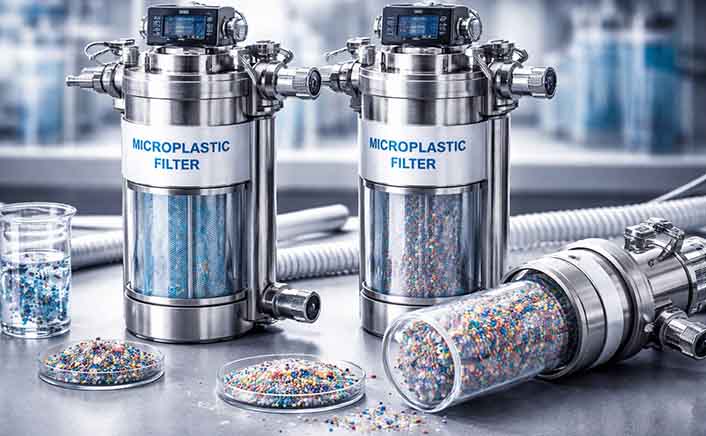
The Asia-Pacific region is experiencing rapid industrialization, urbanization, and increasing environmental awareness, making it the fastest-growing market for microplastic filters. Countries like China and India are seeing significant industrial growth, leading to higher wastewater generation and pollution. This has created a pressing need for effective filtration solutions to combat microplastic contamination in water bodies.
The Asia-Pacific Microplastic Filters market was valued at USD 0.62 Billion in 2025 and is projected to reach USD 0.82 Billion by 2033, with a compound annual growth rate (CAGR) of 18.50% from 2027 to 2033.
Government initiatives and regulations are becoming stricter, prompting industries to adopt advanced filtration technologies. Additionally, rising public awareness about the adverse effects of microplastics on health and the environment is driving demand for sustainable water management practices.
The region's large population and growing middle class further amplify the need for clean water, leading to increased investments in water treatment infrastructure. With a focus on innovation and sustainability, the Asia-Pacific market is expected to continue expanding rapidly, presenting significant opportunities for microplastic filter manufacturers and technology providers.
The ongoing industrial expansion in the region generates substantial wastewater containing microplastics, increasing the demand for filtration solutions.
The Asia-Pacific region is currently undergoing substantial industrial growth, especially in manufacturing, textiles, and plastics. This rapid industrialization leads to a higher amount of wastewater being produced, often containing microplastics from production processes. Industries that release untreated or poorly treated wastewater are major contributors to environmental pollution, impacting both freshwater and marine ecosystems. Consequently, there is an urgent need for effective filtration systems to reduce the release of microplastics into the environment. Governments and industries are acknowledging the importance of sustainable practices, resulting in increased investments in advanced filtration technologies. The demand for microplastic filters is expected to rise as industries adopt these solutions to comply with environmental regulations and meet consumer expectations for sustainability. Additionally, industries are also motivated by the potential to enhance their public image and brand loyalty through responsible practices. As the economy continues to expand, the focus on sustainable industrial practices is likely to grow, leading to significant expansion of the microplastic filters market in the region.
Rising urban populations elevate water demand and wastewater production, creating a pressing need for advanced filtration technologies.
Urbanization is a significant trend in the Asia-Pacific region, leading to rapid population growth in cities. This results in increased water demand and wastewater generation. As urban areas expand, the existing water supply and treatment infrastructure often struggles to keep pace with this growth, making water quality management more challenging. This situation creates a pressing need for effective water treatment solutions, particularly microplastic filters that can remove contaminants from wastewater before it is released into the environment. Urban populations are also becoming increasingly aware of environmental issues, including the harmful impacts of microplastics on health and ecosystems. This awareness fuels demand for clean water and effective waste management systems. As a result, local governments and municipalities are prioritizing investments in modern water treatment facilities and filtration technologies to ensure safe, clean water for their residents. Furthermore, urban planning initiatives increasingly emphasize sustainable practices, further driving the adoption of microplastic filters. As urbanization continues to rise in Asia-Pacific, the market for microplastic filtration solutions is expected to grow, addressing both immediate water quality concerns and long-term sustainability goals.
Stricter environmental regulations across Asia-Pacific countries promote investments in microplastic filtration systems to improve water quality.
Governments in the Asia-Pacific region are implementing strict regulations to tackle environmental pollution, particularly related to microplastics. These regulations aim to protect public health and ecosystems from the harmful effects of plastic waste. For example, some countries have introduced laws requiring the treatment of wastewater before it is discharged into water bodies, compelling industries to use advanced filtration solutions, including microplastic filters. The enforcement of these regulations not only encourages compliance among industries but also promotes investments in sustainable technologies. International agreements and frameworks focused on plastic pollution further encourage governments to develop local policies aimed at reducing microplastics in the environment. Financial incentives for implementing environmentally friendly practices also play a crucial role in driving the market. As awareness of microplastic pollution increases, regulatory bodies are expected to strengthen their oversight and enforcement measures, leading to a greater demand for effective filtration technologies. Ultimately, the combination of regulatory pressures and government initiatives creates a favorable environment for the growth of the microplastic filters market in the Asia-Pacific region.
Growing public concern over pollution and its health impacts drives demand for sustainable water management practices, including microplastic filters.
The increasing awareness of the environmental impact of microplastics is driving the microplastic filters market in the Asia-Pacific region. As more people learn about the harmful effects of microplastics on human health and ecosystems, there is a growing demand for solutions to address this issue. This heightened awareness has led to calls for accountability from industries that contribute to microplastic pollution, pushing them to adopt more sustainable practices. Consumers are now more likely to support brands that prioritize environmental responsibility, including investing in filtration technologies to reduce their environmental impact. Educational campaigns and advocacy by environmental organizations further amplify this awareness, prompting individuals and communities to demand cleaner water and better waste management practices. This shift in consumer behavior is influencing government policies and corporate strategies, leading to a greater focus on sustainability across various sectors. Consequently, businesses are increasingly investing in microplastic filters as part of their environmental management strategies to enhance their market position and align with consumer expectations. As environmental awareness continues to rise, the microplastic filters market is expected to expand significantly in response to growing public demand for cleaner water and sustainable practices.
Significant investments in water treatment facilities enhance public health and environmental safety, further boosting the adoption of filtration technologies.
Investing in water infrastructure is crucial for addressing water quality and availability challenges in the Asia-Pacific region. Urbanization and industrial growth are putting significant pressure on existing systems. Governments and private sectors are recognizing the need to modernize and expand water treatment facilities to ensure clean and safe water for growing populations. These investments often involve incorporating advanced filtration technologies, such as microplastic filters, which are essential for removing contaminants from wastewater before it is discharged into natural water bodies. Enhanced water infrastructure not only improves public health outcomes but also protects ecosystems from pollution, aligning with global sustainability goals. Additionally, infrastructure development investments can stimulate economic growth by creating jobs and promoting innovation in water treatment technologies. Financial support from international organizations and public-private partnerships is also becoming more common, facilitating the adoption of advanced solutions. As countries in the Asia-Pacific region prioritize investments in water infrastructure, the demand for microplastic filters is expected to rise, further contributing to market growth while ensuring environmental sustainability and improved quality of life for communities.
Competitive Landscape
Some of the major companies operating within the Microplastic Filters market are: Thermo Fisher Scientific Inc., Honeywell International Inc, Schilling Ltd., POLYFILL, BASF SE, Clariant, Precision Drawell Pvt Ltd., Goonvean Fibres, Kaimaoxing Cellulose (Shandong) Co., Ltd, Composition Materials Co. and Others.