Government Healthcare Investments Accelerating Tangential Flow Filtration Adoption in Asia Pacific.
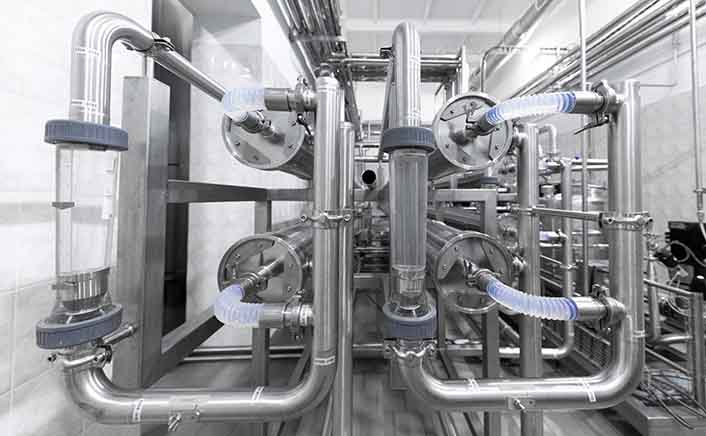
The Asia Pacific Tangential Flow Filtration Market was valued at USD 0.40 Billion in 2025 and is projected to reach USD 0.95 Million by 2033, with growth of 20.20% from 2027 to 2033.
The Asia Pacific region is the fastest-growing market in the Global Tangential Flow Filtration (TFF) Market due to the rapid expansion of the biopharmaceutical and biotechnology industries across countries such as China, India, Japan, and South Korea. Increasing investments in biologics manufacturing, vaccine production, and biosimilar development are significantly driving demand for advanced filtration technologies. Governments in the region are also supporting pharmaceutical innovation through favorable policies, healthcare infrastructure development, and research funding. The growing number of contract manufacturing organizations (CMOs) and contract research organizations (CROs) further accelerates the adoption of TFF systems for efficient downstream processing and purification. In addition, rising healthcare expenditure, expanding clinical research activities, and increasing awareness regarding high-quality bioprocessing technologies contribute to market growth. The presence of a large patient population and increasing demand for affordable biologic drugs are expected to continue supporting strong regional expansion during the forecast period.
1. Rapid expansion of biopharmaceutical and biosimilar manufacturing facilities across China and India is driving TFF demand.
The rapid growth of biopharmaceutical and biosimilar manufacturing in the Asia Pacific region is a major driver for the Global Tangential Flow Filtration (TFF) Market. Countries such as China and India are increasing investments in biologics production facilities to meet rising domestic and global demand for affordable therapies. Biosimilars require advanced purification and concentration processes during production, where TFF systems play a critical role in improving product quality and processing efficiency. Many pharmaceutical companies are expanding manufacturing capacities due to the increasing prevalence of chronic diseases and the growing use of monoclonal antibodies, vaccines, and recombinant proteins. In addition, supportive government initiatives promoting local drug manufacturing and reduced dependency on imports are further accelerating market growth. The rising number of biotechnology startups and international collaborations also contributes to higher adoption of TFF technologies for downstream bioprocessing applications across the region.
2. Increasing government investments in biotechnology research and healthcare infrastructure support market growth in the Asia Pacific region.
Governments across the Asia Pacific region are actively investing in biotechnology development and healthcare infrastructure, creating strong growth opportunities for the Tangential Flow Filtration Market. Countries including China, Japan, and South Korea are implementing favorable policies, funding research institutions, and encouraging pharmaceutical innovation to strengthen their healthcare sectors. Public and private investments in biopharmaceutical manufacturing parks, research laboratories, and advanced healthcare facilities are increasing the need for efficient filtration technologies. TFF systems are widely used in biologics purification, vaccine production, and cell culture processing, making them essential for modern bioprocessing infrastructure. Furthermore, government support for local vaccine manufacturing and pandemic preparedness programs has significantly increased the installation of advanced filtration systems. The region’s growing focus on self-sufficiency in pharmaceutical production and life science research continues to support long-term demand for TFF technologies.
3. Rising adoption of single-use bioprocessing systems and advanced filtration technologies is accelerating TFF implementation.
The increasing adoption of single-use bioprocessing systems is significantly driving the growth of the Tangential Flow Filtration Market in the Asia Pacific region. Pharmaceutical and biotechnology companies are increasingly shifting toward disposable systems because they reduce contamination risks, lower operational costs, and improve production flexibility. TFF systems integrated with single-use technologies are widely used in biologics manufacturing, vaccine production, and protein purification processes. Countries such as India and China are witnessing rising investments in modern biomanufacturing facilities equipped with advanced single-use processing equipment. These systems also help manufacturers reduce cleaning validation requirements and shorten production turnaround times. In addition, the rapid increase in small-scale and pilot-scale biologics production in emerging economies is further supporting the adoption of disposable TFF solutions. Growing awareness regarding efficient and cost-effective downstream processing technologies continues to encourage pharmaceutical companies to modernize their production operations across the region.
4. Growing presence of contract research organizations (CROs) and contract manufacturing organizations (CMOs) boosts demand for efficient downstream processing solutions.
The rapid expansion of Contract Research Organizations (CROs) and Contract Manufacturing Organizations (CMOs) in the Asia Pacific region is contributing significantly to the growth of the Tangential Flow Filtration Market. Countries such as India, China, and Singapore have become major outsourcing hubs due to lower manufacturing costs, skilled labor availability, and expanding pharmaceutical infrastructure. CROs and CMOs require advanced filtration systems for biologics purification, concentration, and buffer exchange during drug manufacturing processes. TFF technology helps improve process efficiency, product consistency, and scalability, making it highly suitable for outsourced bioprocessing operations. The increasing number of global pharmaceutical companies outsourcing research and production activities to Asia Pacific organizations is further accelerating demand for TFF systems. In addition, rising clinical trial activities and biosimilar development projects across the region are strengthening the need for reliable downstream processing technologies in outsourced pharmaceutical manufacturing environments.
5. Increasing vaccine production, cell therapy research, and monoclonal antibody development across Japan and South Korea is supporting rapid market expansion.
The increasing production of vaccines, cell therapies, and monoclonal antibodies is a major factor driving the Tangential Flow Filtration Market in the Asia Pacific region. Countries such as Japan, South Korea, and China are heavily investing in advanced biologics and regenerative medicine research. TFF systems are essential in vaccine manufacturing and cell therapy production because they enable efficient separation, concentration, and purification of sensitive biological materials. The growing prevalence of infectious diseases and chronic illnesses has increased demand for innovative biologic treatments, encouraging pharmaceutical companies to expand production capacities. Additionally, regional governments are supporting vaccine self-sufficiency initiatives and funding research programs related to gene therapy and personalized medicine. The rising number of biotechnology companies involved in cell and gene therapy development is also accelerating the adoption of advanced filtration technologies. This trend is expected to continue driving strong market growth across the Asia Pacific region.
Competitive Landscape
Some of the major companies operating within the Global Tangential Flow Filtration Market are Merck KGaA, Danaher Corporation, Sartorius AG, Yocell Biotechnology (Qingdao) Co., LTD., GEA Group Aktiengesellschaft, Repligen Corporation , PARKER HANNIFIN CORP , Thermo Fisher Scientific Inc., Asahi Kasei Corporation and Others.