Government Healthcare Investments Accelerating Medical Gas Equipment Adoption.
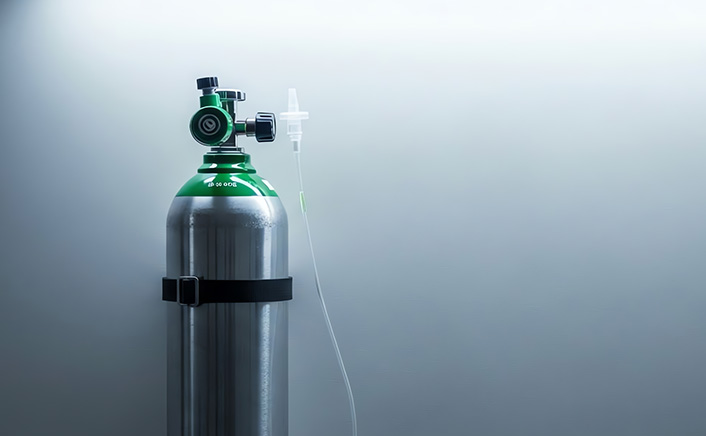
The Asia Pacific Medical Gas Equipment Market was valued at USD 0.79 Billion in 2025 and is projected to reach USD 1.43 Million by 2033, with growth of 22.00% from 2027 to 2033.
The Asia Pacific region is emerging as the fastest-growing market in the Global Medical Gas Equipment Market due to rapid healthcare infrastructure development, rising healthcare expenditure, and increasing demand for advanced medical facilities across developing economies. Countries such as China, India, Japan, and South Korea are significantly investing in hospital expansion, intensive care units, and emergency healthcare services, which is accelerating the adoption of medical gas equipment. The growing burden of chronic respiratory diseases, increasing surgical procedures, and expanding elderly population are further supporting market growth. In addition, government initiatives aimed at improving public healthcare access and strengthening oxygen supply systems after the COVID-19 pandemic have enhanced demand for medical gas systems and related equipment. The presence of a large patient population, rising private healthcare investments, and improving medical technology adoption are also contributing to the region’s strong market expansion during the forecast period.
1. Rapid expansion of hospitals and healthcare infrastructure across emerging Asia Pacific economies is increasing demand for medical gas equipment.
The rapid development of healthcare infrastructure across the Asia Pacific region is a major factor driving the growth of the medical gas equipment market. Governments and private healthcare providers are heavily investing in the construction of new hospitals, specialty clinics, diagnostic centers, and emergency care facilities to meet the healthcare needs of growing populations. Developing countries such as India, China, Indonesia, and Vietnam are witnessing substantial healthcare expansion in urban as well as rural areas. Medical gas equipment, including oxygen delivery systems, vacuum systems, manifolds, and monitoring devices, forms an essential part of modern healthcare infrastructure. The increasing number of intensive care units, surgical departments, and emergency treatment centers further supports equipment demand. In addition, healthcare accreditation standards and the need for advanced patient care systems are encouraging hospitals to install reliable and technologically advanced medical gas solutions throughout the region.
2. Rising prevalence of respiratory disorders and chronic diseases is supporting higher adoption of oxygen delivery and gas monitoring systems.
The growing burden of respiratory illnesses and chronic diseases across the Asia Pacific region is significantly increasing the demand for medical gas equipment. Factors such as urban pollution, smoking habits, industrial emissions, and changing lifestyles have contributed to higher incidences of asthma, chronic obstructive pulmonary disease, sleep apnea, and other respiratory conditions. Countries including China and India continue to experience rising respiratory health concerns due to dense populations and environmental challenges. Patients suffering from these conditions often require oxygen therapy, ventilator support, and continuous respiratory monitoring, which drives the adoption of medical gas systems in hospitals and home healthcare settings. Additionally, the growing elderly population is more vulnerable to chronic illnesses and age-related breathing disorders, creating sustained demand for respiratory care infrastructure. Healthcare providers are therefore investing in advanced oxygen supply systems, medical air compressors, and gas monitoring equipment to improve patient treatment and long-term disease management.
3. Increasing government investments in healthcare modernization and emergency medical facilities are accelerating market growth.
Governments across the Asia Pacific region are actively investing in healthcare modernization programs, which is positively influencing the growth of the medical gas equipment market. Public health authorities are focusing on improving hospital infrastructure, expanding healthcare access, and strengthening emergency medical preparedness following the lessons learned during the COVID-19 pandemic. Several countries, including India, China, Thailand, and Malaysia, are supporting healthcare facility upgrades through funding programs and policy initiatives. Medical oxygen systems, centralized gas pipeline systems, and emergency respiratory equipment have become critical components of healthcare preparedness strategies. Governments are also encouraging local manufacturing and technological advancements in medical devices to reduce dependence on imports. These investments are improving healthcare quality standards and increasing the installation of advanced medical gas infrastructure in both public and private healthcare institutions throughout the region.
4. Growth in surgical procedures, intensive care units, and home healthcare services is driving the need for advanced medical gas systems.
The increasing number of surgical procedures and the expansion of intensive care services across the Asia Pacific region are creating strong demand for medical gas equipment. Modern surgical operations rely heavily on medical gases such as oxygen, nitrous oxide, and medical air for anesthesia, respiratory support, and patient monitoring. As healthcare access improves and populations continue to grow, hospitals are experiencing higher patient volumes requiring surgical intervention and critical care treatment. In addition, the rising prevalence of chronic diseases and emergency medical conditions has increased the need for intensive care units equipped with reliable gas delivery systems. Countries such as Japan, South Korea, and Australia are also witnessing growth in home healthcare services for elderly and chronically ill patients. Portable oxygen concentrators and home-based respiratory support systems are becoming increasingly important, contributing to continuous demand for advanced and efficient medical gas technologies.
5. Rising awareness regarding patient safety standards and improved healthcare technology adoption is boosting equipment installation across healthcare facilities.
Increasing awareness regarding patient safety and healthcare quality standards is driving the adoption of advanced medical gas equipment across the Asia Pacific region. Hospitals and healthcare providers are focusing on reducing medical errors, improving infection control, and ensuring uninterrupted gas supply systems to enhance patient outcomes. Medical gas equipment plays a vital role in maintaining safe clinical environments, particularly in operating rooms, emergency wards, and intensive care units. Healthcare institutions are increasingly adopting automated monitoring systems, alarm systems, and digital gas management technologies to improve operational efficiency and safety compliance. Countries such as Singapore, Japan, and South Korea are known for their rapid adoption of advanced healthcare technologies and smart hospital solutions. In addition, international healthcare accreditation standards are encouraging hospitals throughout the region to modernize their medical gas infrastructure, further supporting market growth and technological advancement.
Competitive Landscape
Some of the major companies operating within the Global Medical Gas Equipment Market are: POWEREX, Amico Group of Companies, Drägerwerk AG & Co. KGaA, Linde PLC, GCE , Pattons Medical, Ohio Medical, Tritech, Atlas Copco Compressors LLC, NOVAIR and Others