Rising Investments In Hospitals And Oncology Centers Are Improving Cancer Care Access In Asia-Pacific.
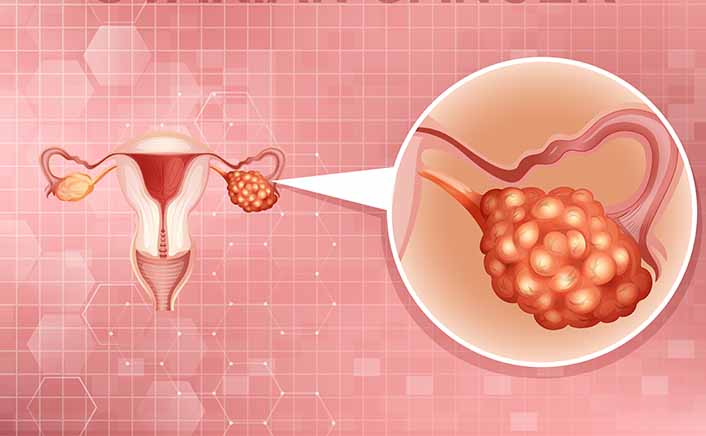
The Asia Pacific Endometrial Cancer Market was valued at USD 0.53 Billion in 2025 and is projected to reach USD 1.29 Million by 2033, with growth of 20.10% from 2027 to 2033.
Asia-Pacific is projected to be the fastest-growing region in the Global Endometrial Cancer Market due to rapid advancements in healthcare infrastructure and increasing awareness of gynecological cancers. Countries such as China, India, Japan, and South Korea are witnessing significant investments in cancer diagnosis and treatment facilities, improving patient access to advanced therapies. The region's large and aging female population creates a substantial patient pool, while rising obesity rates, sedentary lifestyles, and hormonal disorders are increasing the incidence of endometrial cancer. Government initiatives promoting cancer screening and early diagnosis are further supporting market expansion. Additionally, growing healthcare expenditure and broader insurance coverage are enabling greater adoption of innovative treatments, including targeted therapies and immunotherapies. The expansion of pharmaceutical research, clinical trials, and collaborations between global and regional companies is accelerating the introduction of novel therapies, positioning Asia-Pacific as the fastest-growing regional market.
1. Rapid Development Of Hospitals, Cancer Centers, And Diagnostic Facilities Is Improving Access To Endometrial Cancer Care.
The rapid expansion of healthcare infrastructure across Asia-Pacific is a major factor driving growth in the Global Endometrial Cancer Market. Governments and private healthcare providers are making significant investments in hospitals, specialized oncology centers, and advanced diagnostic laboratories to improve cancer care accessibility. Countries such as China, India, Japan, and South Korea are strengthening their healthcare systems to meet the growing burden of chronic diseases, including cancer. The increasing availability of modern imaging technologies, pathology services, and minimally invasive surgical facilities enables earlier diagnosis and more effective treatment of endometrial cancer.
Rural healthcare development programs are also improving access to cancer care in previously underserved areas, reducing disparities in diagnosis and treatment. In addition, the adoption of digital health technologies and telemedicine is helping patients connect with specialists more efficiently. Growing investments in healthcare infrastructure support the introduction of innovative therapies, including immunotherapies and targeted treatments. As healthcare systems continue to modernize and expand across the region, patient outcomes are expected to improve, further accelerating market growth and strengthening Asia-Pacific’s position as the fastest-growing regional market.
2. Increasing Life Expectancy Across Asia-Pacific Is Raising The Population At Higher Risk Of Developing Endometrial Cancer.
The increasing aging female population in Asia-Pacific is a significant driver of the endometrial cancer market, as the disease primarily affects postmenopausal women. Countries across the region are experiencing demographic shifts characterized by longer life expectancy and declining birth rates, leading to a larger elderly population. Nations such as Japan, China, and South Korea already have rapidly aging populations, while countries like India are also witnessing steady increases in life expectancy.
As women age, the risk of developing endometrial cancer rises due to hormonal changes and cumulative exposure to various risk factors. The growing number of elderly women is therefore increasing demand for cancer screening, diagnosis, and treatment services. Healthcare systems are responding by expanding oncology programs and improving access to specialized care for age-related diseases. Furthermore, greater awareness among older women regarding cancer symptoms and preventive healthcare is contributing to earlier detection. The expanding geriatric population is expected to sustain long-term demand for endometrial cancer therapies, making it a critical growth driver for the regional market.
3. Higher Obesity Rates, Diabetes, And Sedentary Lifestyles Are Contributing To Increased Disease Incidence.
The rising prevalence of obesity and lifestyle-related disorders across Asia-Pacific is significantly contributing to the growth of the endometrial cancer market. Obesity is one of the leading risk factors for endometrial cancer because excess body fat can increase estrogen levels, which may stimulate abnormal growth of the uterine lining. Rapid urbanization, changing dietary habits, and increasingly sedentary lifestyles have led to higher rates of obesity, diabetes, and metabolic disorders throughout the region.
Many countries in Asia-Pacific are experiencing a shift toward processed foods and reduced physical activity, increasing the burden of non-communicable diseases. These lifestyle changes have been associated with a growing incidence of endometrial cancer, thereby driving demand for diagnostic and therapeutic solutions. In addition, rising awareness among healthcare professionals and the public regarding obesity-related cancer risks is encouraging preventive healthcare measures and early diagnosis. As lifestyle disorders continue to rise due to economic development and urban living patterns, the number of endometrial cancer cases is expected to increase, supporting sustained market expansion in the region.
4. National Initiatives Promoting Early Detection And Awareness Are Enhancing Diagnosis Rates And Treatment Uptake.
Government initiatives promoting cancer awareness and screening programs are playing a crucial role in driving the Asia-Pacific endometrial cancer market. Several countries in the region are implementing national healthcare policies aimed at strengthening cancer prevention, early detection, and treatment infrastructure. Public health campaigns encourage women to undergo regular medical checkups and seek timely consultation for gynecological symptoms.
Increased funding for healthcare programs and cancer research has improved access to diagnostic services and advanced treatments. Governments are also partnering with healthcare organizations and research institutions to enhance cancer management capabilities. In emerging economies, efforts to expand insurance coverage and reduce treatment costs are helping more patients access quality care. Educational campaigns focused on women's health are improving awareness about risk factors and symptoms associated with endometrial cancer. Early diagnosis often leads to better treatment outcomes and lower mortality rates, thereby increasing demand for diagnostic technologies and therapeutic options. Continued policy support and healthcare reforms are expected to sustain market growth across Asia-Pacific.
5. Greater Availability Of Immunotherapies, Targeted Therapies, And Precision Medicine Is Driving Market Growth Across The Region.
The increasing adoption of advanced therapies is accelerating growth in the Asia-Pacific endometrial cancer market. Healthcare providers across the region are increasingly incorporating innovative treatment approaches, including targeted therapies, immunotherapies, and precision medicine, into clinical practice. These therapies offer improved treatment outcomes and fewer side effects compared to conventional chemotherapy for certain patient groups.
Advancements in molecular diagnostics and genetic testing enable clinicians to identify specific biomarkers and tailor treatment strategies to individual patients. Countries such as Japan, China, and South Korea are actively investing in research and development to expand access to novel oncology treatments. Global pharmaceutical companies are also increasing their presence in Asia-Pacific through partnerships, clinical trials, and product launches. The region's growing healthcare expenditure and rising patient awareness are supporting the adoption of advanced cancer therapies. Furthermore, regulatory agencies in several countries are streamlining approval pathways for innovative drugs, allowing faster market entry. These developments are enhancing treatment accessibility and contributing significantly to regional market growth.
Competitive Landscape
Some of the major companies operating within the Global Endometrial Cancer Market are GSK plc, Merck & Co., Inc., Hikma Pharmaceuticals PLC , Teva Pharmaceutical Industries Ltd., Pfizer Inc., Fresenius Kabi AG, Eisai Co., Ltd., Accord Healthcare Limited, Bristol Myers Squibb Company, AstraZeneca PLC and Others.