The APAC region is experiencing a surge in data center investments due to increasing digital transformation and the rise of cloud computing services.
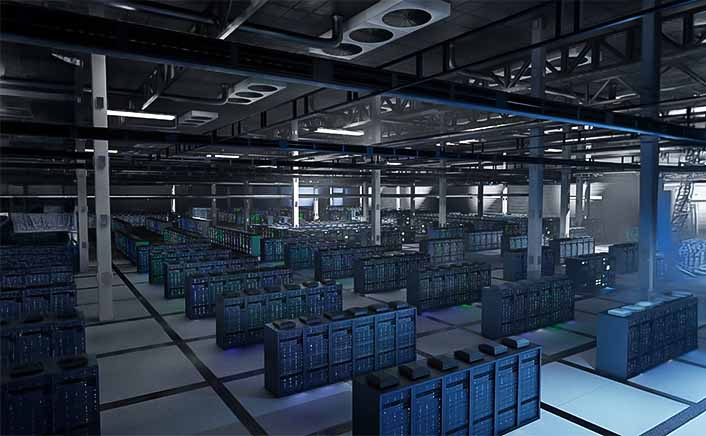
The Data Center Cooling Systems Market in the Asia-Pacific (APAC) region is growing at a rapid pace due to factors like urbanization, cloud computing expansion, and digital transformation. Leading nations like China, India, and Japan are creating a greater need for cutting-edge cooling solutions. Because of the region's varied environment, which ranges from tropical to temperate, specialized cooling systems are needed to control high ambient temperatures and preserve effective operations.
The Asia Pacific Cooling System for Data Center market was valued at USD 3.45 Billion in 2023 and is projected to reach USD 8.79 Billion by 2030, with a compound annual growth rate (CAGR) of 15.70% from 2026 to 2033.
Liquid cooling and precision air conditioning are two important cooling technologies that are gaining popularity because they aid with the enormous heat production and density of contemporary data centers. Because of the rising cost of energy and the strict environmental restrictions, energy efficiency has become a crucial priority.
Obstacles encompass disparate regulatory frameworks and infrastructure advancements throughout APAC nations, potentially influencing the dynamics of the industry. The region's rising focus on green data centers and sustainability, however, offers a number of promising options. As data center infrastructure advances and becomes more developed, emerging economies in Asia-Pacific also present opportunities for growth.
1. The surge in digital technologies.
The APAC region's digital transformation is a key factor influencing data center cooling systems. Strong data infrastructure is becoming more and more necessary as companies and governments use digital technologies like cloud computing, artificial intelligence, and big data analytics. Large data centers are needed for this digital transition in order to manage enormous volumes of data and guarantee flawless service delivery. As a result, data centers need more sophisticated cooling solutions to continue operating at peak efficiency and dependability due to rising operational demands and increased heat generation. The necessity for effective cooling systems that can control the increasing density of data center equipment and prevent overheating, guaranteeing continuous and dependable operations, is accelerated by the quick expansion of digital services and applications.
2. Rapid urban growth in APAC cities elevates the need for data centers and efficient cooling solutions.
One of the main factors driving the need for data center cooling systems in the APAC area is urbanization, particularly in rapidly developing nations like China and India. Data centers are becoming more and more necessary to support urban infrastructure, including telecommunications, digital services, and smart city technologies, as cities grow and develop. The requirement for more data processing as a result of this urban growth fuels the development and expansion of data centers. Effective cooling solutions are necessary in these buildings to control the heat produced by the closely spaced servers and equipment. Sustaining data center performance and dependability in the face of fast urban expansion and the growing amount of digital data produced in urban settings requires effective cooling systems.
3. High Ambient Temperatures.
Data center cooling requirements are greatly impacted by the high ambient temperatures that are common in many APAC countries, including those in Southeast Asia and parts of South Asia. To avoid equipment overheating and maintain system reliability in these areas, data centers must maintain ideal operating temperatures. Elevated ambient temperatures augment the thermal load of data centers, hence requiring sophisticated and resilient cooling systems to adequately handle this heat. The adoption of effective cooling technologies, such as liquid cooling systems and precision air conditioning, is crucial to preventing heat buildup and maintaining stable operating conditions, which in turn ensures the continuous and effective operation of data centers despite their challenging thermal environments.
4. Energy Efficiency Concerns
The data center cooling industry in Asia-Pacific is being driven by a fundamental concern: energy efficiency. Data center operators are concentrating more on cutting operational expenses and energy consumption due to strict environmental laws and growing energy costs. In order to successfully manage heat generation from high-density equipment while minimizing energy use, efficient cooling systems are essential to this endeavor. Cutting-edge cooling technologies, like economizers and free cooling, provide ways to cut operating costs and energy usage. Furthermore, the adoption of energy-efficient cooling technologies is encouraged by regional sustainability efforts and regulatory frameworks. Data center operators can support wider sustainability goals by reducing costs and improving their environmental performance through the use of such technology.
5. Government Initiatives.
Advanced data center cooling systems deployment is heavily influenced by government initiatives in the Asia-Pacific area. Policies and laws that support green technology, sustainability, and energy efficiency are being implemented by numerous governments. Data center operators are compelled to implement advanced cooling solutions that comply with environmental requirements, for instance, due to incentives and subsidies offered for energy-efficient technologies and tougher environmental standards. These programs hasten the switch to environmentally friendly cooling systems, which lower energy consumption and further national and local sustainability goals. The adoption of state-of-the-art cooling technology is further encouraged by government assistance for infrastructure development and innovation, which in turn fosters a more environmentally conscious and energy-efficient data center business.
Competitive Landscape
Some of the major companies operating within the Cooling System for Data Center market are: Johnson Controls , Schneider Electric , Airedale International Air Conditioning Ltd. , STULZ Air Technology Systems, Inc. , Asetek Inc. , Rittal GmbH & Co. KG, Thermal Care , Vertiv Group Corp. , Mitsubishi Electric Corporation , Danfoss , Alfa Laval AB , Daikin Industries, Ltd. and Others.