3,3 Thiodipropionic Acid Market Growth Trends, Application Insights, and Future Opportunities Analysis
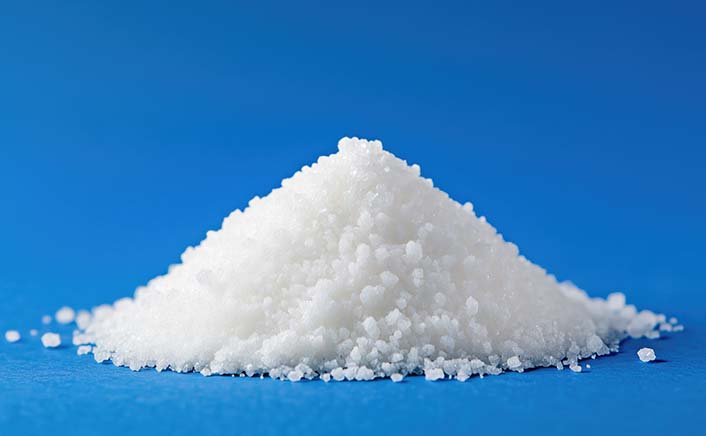
The 3,3-Thiodipropionic Acid Market is influenced by a blend of consistent industrial demand, an expanding application scope, and the gradual adoption of the compound across various end-use sectors that benefit from antioxidant stabilization and performance enhancement. A key factor driving growth is the increasing consumption of polymers and plastics, where 3,3-Thiodipropionic Acid serves as a vital antioxidant stabilizer, preventing degradation from heat, oxygen, and UV exposure. As industries such as packaging, automotive, and construction continue to grow globally, the need for durable and long-lasting polymer materials bolsters the demand in this market. Additionally, the rising use of rubber-based products in automotive components, industrial equipment, and consumer goods further propels market expansion, as the additive enhances elasticity retention and aging resistance.
Another major driver of the market is the escalating demand for high-performance lubricants and coatings. In lubricant formulations, this compound improves oxidative stability, which in turn extends service life and boosts operational efficiency in machinery and engines. Similarly, in coatings and adhesives, it helps maintain product integrity under diverse environmental conditions. The steady advancement in manufacturing industries and infrastructure development, particularly in emerging economies, indirectly elevates consumption in these areas, reinforcing the 3,3-Thiodipropionic Acid Market's relevance within industrial ecosystems. Furthermore, the push toward higher quality standards and performance-driven materials encourages formulators to include specialized chemical additives that ensure long-term stability.
Though smaller in market share, the food and pharmaceutical segments are increasingly noteworthy due to stringent regulatory requirements and a rising need for safe and compliant additives. In food applications, the compound finds limited use where antioxidant properties are necessary to preserve freshness and extend the shelf life of certain products. Regulatory approvals and safety concerns heavily influence adoption levels in this area. In the pharmaceutical sector, the focus is on enhancing stability in formulations, although the usage remains niche due to strict compliance norms and the presence of alternative stabilizing agents. Even with their limited contribution, these segments diversify the overall 3,3-Thiodipropionic Acid Market and show long-term growth potential as regulatory frameworks evolve and product innovation progresses.
From a supply standpoint, the market features a moderately consolidated landscape, dominated by a few key manufacturers alongside several regional and specialty chemical producers. Companies like Sigma Aldrich / Merck KGaA and Thermo Scientific / Acros Organics are crucial in providing high-purity grades suitable for laboratory, research, and specialty applications. Established distribution networks and chemical trading platforms ensure consistent availability across regions; however, pricing and supply dynamics may fluctuate based on raw material availability and production costs. The synthesis process for this compound involves controlled chemical processes that require specific intermediates, rendering the market sensitive to changes in upstream feedstock prices.
Regionally, Asia Pacific holds a substantial share of the 3,3-Thiodipropionic Acid Market, largely due to its robust manufacturing base, especially in China and India, where polymer production, rubber processing, and industrial manufacturing are thriving. North America and Europe also represent significant markets, driven by advanced chemical industries, stringent quality standards, and a demand for high-performance additives in specialized applications. Growth in these regions is bolstered by technological advancements, innovation in material science, and a growing emphasis on sustainability and product longevity.
Looking forward, the market is anticipated to experience stable but moderate growth, fueled by ongoing demand from core application segments and a gradual expansion into niche areas. Opportunities may arise from heightened research and development aimed at enhancing formulation efficiency and exploring new applications. At the same time, challenges may come from environmental regulations, raw material cost fluctuations, and competition from alternative stabilizers. Overall, the 3,3-Thiodipropionic Acid Market is positioned as a specialized yet essential segment within the broader specialty chemicals industry, showcasing steady demand fundamentals and incremental growth potentials across industrial and regulated applications.