Why Oat Milk Won the Alt-Milk War (For Now): Lessons from the U.S. Oat Milk Market
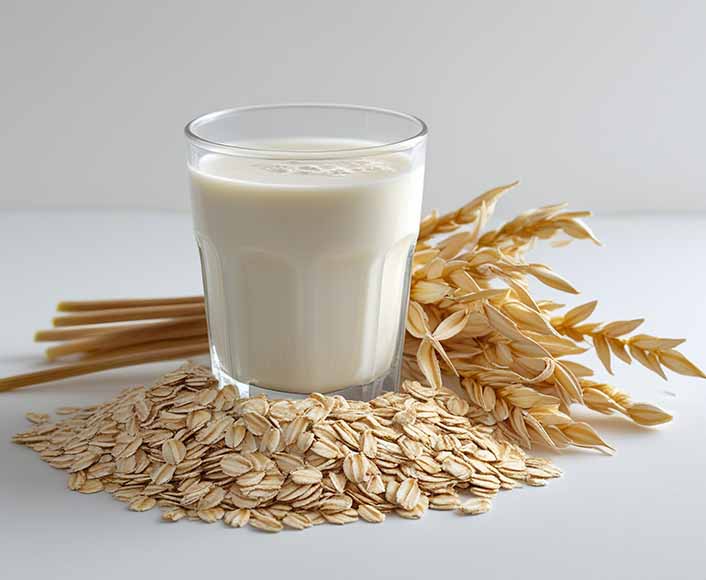
Why Oat Milk Won the Alt-Milk War (For Now)
A decade ago, the race to replace dairy seemed wide open. In the plant-based dairy alternatives market, soy milk had a first-mover advantage, almond milk dominated supermarket shelves, and coconut milk carved out a niche among health-conscious consumers. Every few years, another plant-based beverage promised to be the next big thing. Yet despite this crowded field, oat milk has emerged as the category that has reshaped consumer expectations, not because it was the first alternative, but because it fits seamlessly into everyday life.
The success of oat milk in the U.S. reflects more than a passing food trend. It signals that consumers now evaluate products through multiple lenses, including nutrition, sustainability, convenience, and functionality. Oat milk has evolved from a specialty product for vegan consumers into a staple found in cafés, supermarkets, and household refrigerators nationwide. As the broader U.S. Plant-Based Milk Market becomes increasingly competitive, oat milk's rise offers valuable lessons on innovation, consumer behavior, and the future of food.
Oat Milk Didn't Just Enter the Dairy Alternatives Market—It Redefined It
Winning consumers over isn't simply about offering another substitute. It requires solving problems that existing products have failed to address.
For years, the Dairy Alternatives Market was largely divided between soy and almond milk. While each built a loyal customer base, both faced limitations. Soy milk often struggled with taste, while almond milk's lighter texture made it less suitable for applications like coffee and cooking. To address these shortcomings, oat milk entered the market with a noticeably different proposition.
Its naturally creamy texture, neutral taste, and excellent frothing ability make it one of the closest plant-based substitutes to dairy milk. Consumers didn't need to change how they prepared coffee, breakfast cereals, smoothies, or baked goods. Instead, oat milk fits existing habits, reducing the friction that often slows the adoption of new food products.
That practical advantage explains why the U.S. Oat Milk Market has expanded beyond niche health-food stores into mainstream grocery retailers. According to the market analysis, the market reached USD 1.67 billion in 2025 and is projected to grow at a 9.8% CAGR through 2033, indicating that demand extends well beyond the initial surge in plant-based eating.
Coffee Culture Became the Category's Greatest Marketing Engine
Many successful food products grow because consumers actively seek them out. Oat milk followed a different path.
Instead of relying solely on supermarket shelves, it gained widespread visibility through cafés.
When Starbucks expanded oat milk across its beverage platform and independent coffee shops increasingly adopted barista-grade formulations, consumers experienced oat milk in an environment where taste mattered most. Rather than asking shoppers to experiment at home, cafés demonstrated that plant-based milk could deliver a premium coffee experience without compromising texture or flavor.
This shift transformed oat milk from an ingredient into part of modern coffee culture.
The ripple effects extended throughout the supply chain. Regional cafés, restaurants, hotels, universities, and quick-service restaurants began introducing oat milk options to meet evolving customer preferences. Grocery retailers responded by expanding refrigerated and shelf-stable selections, while warehouse clubs introduced larger family-size packs to support repeat household purchases.
Foodservice continues to represent one of the most promising expansion opportunities for the U.S. Oat Milk Market, particularly as adoption spreads beyond major metropolitan areas.
Why Sustainability Alone Didn't Make Oat Milk Successful
Environmental sustainability undoubtedly strengthened oat milk's appeal, but it wasn't the primary reason consumers embraced it.
Food purchasing decisions rarely depend on sustainability alone. Consumers first expect products to taste good, perform well, and fit naturally into everyday routines.
Only after those expectations are met do environmental credentials become meaningful differentiators.
Compared with some competing dairy alternatives, oat cultivation generally requires less water, making it increasingly attractive during discussions around agricultural resource efficiency. At the same time, consumers have become more interested in ingredient transparency, clean-label products, and responsible sourcing.
These preferences are influencing not only the Dairy Alternatives Market but also the broader Organic Food & Beverage Market, where manufacturers are expanding portfolios with organic oat milk, minimally processed ingredients, and recyclable packaging.
For producers, sustainability has evolved from a branding exercise into a strategic business requirement that influences sourcing decisions, packaging innovation, and long-term consumer trust.
The Next Growth Opportunity Lies in Functional Nutrition
As oat milk becomes mainstream, simple availability is no longer enough to differentiate brands.
Manufacturers are increasingly competing through nutritional innovation.
High-protein formulations, calcium fortification, vitamin-enriched products, reduced-sugar recipes, and fiber-rich beverages are transforming oat milk from a dairy substitute into a wellness product. This evolution places the category alongside the rapidly expanding Functional Beverages Market, where consumers increasingly expect beverages to deliver measurable health benefits beyond basic nutrition.
The opportunity extends even further.
Companies are beginning to explore hybrid formulations that combine oats with ingredients such as pea protein to improve nutritional profiles while maintaining the creamy texture consumers expect. This convergence positions oat milk within the broader Plant-Based Protein Market, where innovation increasingly focuses on balancing taste, functionality, and protein content rather than simply replacing animal-based ingredients.
For manufacturers, future success will depend less on launching another oat milk product and more on creating differentiated formulations that address specific consumer lifestyles, including fitness, digestive health, and clean-label preferences.
The Future of the U.S. Plant-Based Milk Market Will Be Won on Value, Not Novelty
The early years of plant-based beverages were driven by curiosity. Today's market is driven by competition.
Private-label products from major retailers are placing pressure on premium brands, making affordability a growing factor in purchasing decisions. At the same time, consumers are scrutinizing ingredient lists more carefully, comparing nutritional value alongside price.
This changing landscape reflects a broader evolution within the U.S. Plant-Based Milk Market.
Growth is no longer fueled exclusively by the Vegan Food Market. Instead, much of today's demand comes from flexitarian households that continue to purchase dairy products while incorporating plant-based alternatives into their weekly routines. That broader customer base creates greater long-term stability but also raises expectations for quality, consistency, and value.
Manufacturers must also navigate rising raw material costs, evolving labeling regulations, and increasing competition from emerging plant-based beverages made from potatoes, peas, and blended ingredients.
The next market leader may not be the company with the most recognizable brand. It may be the one that delivers the strongest combination of affordability, nutrition, sustainability, and convenience.
Beyond the Alternative Milk Battle
Declaring oat milk the permanent winner of the alternative milk race would ignore how quickly food markets evolve. Consumer preferences continue to shift, new ingredients are entering the market, and retailers are constantly reassessing shelf space based on purchasing behavior.
What makes the Oat Milk Market in the U.S. particularly significant is not simply its growth trajectory but what it reveals about modern food innovation. Now, Consumers increasingly reward products that solve multiple challenges simultaneously — taste, health, sustainability, and convenience rather than excelling in only one area.
Businesses operating across the Dairy Alternatives Market, Functional Beverages Market, and Plant-Based Protein Market should view oat milk's success as a blueprint rather than an endpoint. The brands that succeed over the next decade will be those that understand consumer lifestyles as deeply as they understand product formulation. In that sense, oat milk hasn't just won today's alt-milk competition; it has rewritten the rules for tomorrow's food industry.