

Japan’s Piezoelectric Devices Market: Driving Innovation in Automotive and Healthcare
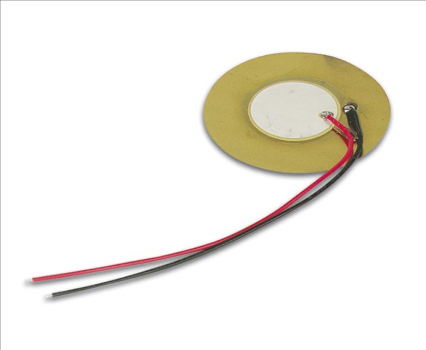
Piezoelectric devices are quietly transforming industries in Japan by enabling precision, efficiency, and innovation across automotive, medical, and industrial fields. From sensors and actuators to transducers and resonators, these components convert mechanical energy into electrical signals and vice versa, forming the backbone of modern intelligent systems. According to the report by Marks and Sparks Solutions, the Japanese piezoelectric devices market recorded sales of 110 million units in 2024 and is projected to reach 157.2 million units by 2030, growing at a CAGR of 7.48%. The market value was approximately USD 380 million in 2024, with projections exceeding USD 600 million by 2032. This sustained growth highlights the increasing importance of piezoelectric devices in Japan’s high-tech industrial ecosystem.
Automotive Sector: A Major Growth Driver
The automotive sector leads Japan’s adoption of piezoelectric devices. This industry, which accounts for about 20% of the country’s manufacturing output, has adopted high-precision sensing technologies to meet the growing demand for electric vehicles (EVs), hybrid electric vehicles (HEVs), and advanced driver assistance systems (ADAS). Currently, automotive applications account for nearly 35% of total demand.
Piezoelectric vehicles are an integral part of modern vehicles by supporting functions such as:
• Ultrasonic sensors for parking assistance and obstacle detection, with vehicles often equipped with 8–12 sensors.
• Vibration and motion sensors for adaptive suspension, braking systems, and driver monitoring.
• Battery monitoring systems in EVs and HEVs ensure safety and efficiency.
With Japan’s aim of achieving 100% electrified vehicle sales by 2035, demand for compact, energy-efficient piezo components is projected to grow at an over 8% CAGR. The average EV or HEV contains 30 to 40% more sensors than traditional vehicles, many of which depend on piezoelectric technology, further fueling market growth.
Healthcare and Medical Applications
The aging population in Japan and the country's advanced healthcare system have driven strong demand for high-frequency piezoelectric transducers. These components are essential for ultrasound imaging, echocardiography, and therapeutic ultrasound, offering precise, noninvasive diagnostics. In 2024, the medical sector accounted for about 25% of total piezoelectric device use. The medical imaging market is valued at USD 11 billion and is expected to grow at a CAGR of 5.5% through 2032. Modern ultrasound systems incorporate over 1,000 piezoelectric elements per transducer array, underscoring the need for high-performance materials such as lead zirconate titanate (PZT) and emerging lead-free alternatives.
Leading Japanese manufacturers, including Murata Manufacturing, TDK Corporation, and Kyocera, are at the forefront of innovation, enhancing maturity, sensitivity, and environmental compliance. Their research ensures that piezoelectric devices meet the increasing demands of both medical and industrial applications.
Industrial and Emerging Applications
Beyond automotive and healthcare, piezoelectric devices serve diverse sectors:
• Industrial machinery and robotics: These devices monitor vibration, ensure precision movement, and support automation.
• Consumer electronics: They provide haptic feedback in smartphones, microphones, actuators, and other devices.
• Energy harvesting: Piezo components convert mechanical vibrations into usable power for small devices and sensors.
The push for automation, IoT integration, and energy efficiency is bolstering the market's potential. Japanese companies are investing heavily in lead-free ceramics and thin-film technologies, enabling more durable, compact, and environmentally friendly devices. These innovations not only meet regulatory requirements but also broaden the application areas of piezoelectric devices.
Market Outlook
Japan’s piezoelectric devices market is set for steady growth, driven by electrification, an aging population, and technological innovation. With ADAS becoming standard in nearly all new vehicles, portable high-resolution imaging is increasing, and the market is expected to grow across multiple sectors. Collaborations between OEMs and component manufacturers are speeding up the adoption of next-generation sensors and actuators, strengthening Japan’s leadership in precision electronics. Additionally, emerging applications in robotics, industrial automation, and energy harvesting are projected to capture a larger share of the market in the next five years. As industries adopt smart, connected devices, the importance of piezoelectric components for accurate sensing, real-time feedback, and energy efficiency will grow. Companies focused on R&D, miniaturization, and sustainable materials are well-positioned to benefit from this expanding market.

